Most of these looks cost little, since they lean on boot-cut jeans, a graphic tee or hoodie, and a bucket hat, all easy to find secondhand, and only the baggy embroidered jeans tend to run higher.
Your pick comes down to the one loud piece you’re willing to build around, because every outfit here lets a single item carry the attention, whether that’s a graphic tee, a graphic hoodie or a basketball jersey over a tee.
Everything else stays plain and a little oversized.
1. Graphic Tees
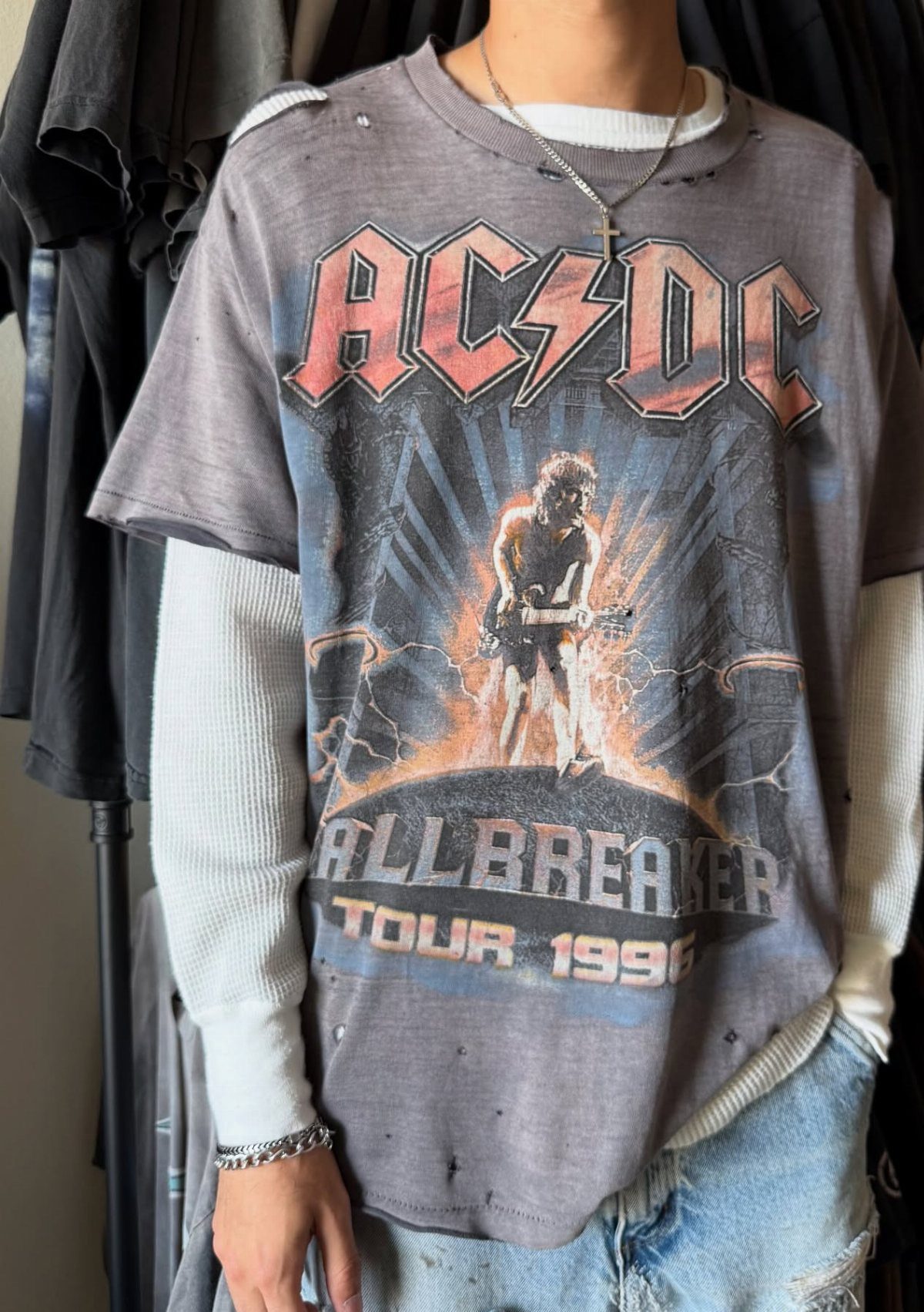
A distressed band tee does the work of a whole outfit, so I keep everything around it plain. Light-wash jeans and a white long-sleeve thermal underneath let the faded print be the only loud thing.
Pick a tee that looks worn in, with a cracked or faded graphic, rather than a crisp new print. On a budget, that look is easy to find secondhand.
A chain bracelet is enough jewelry here. Anything more starts competing with the graphic.
2. Graphic Hoodies
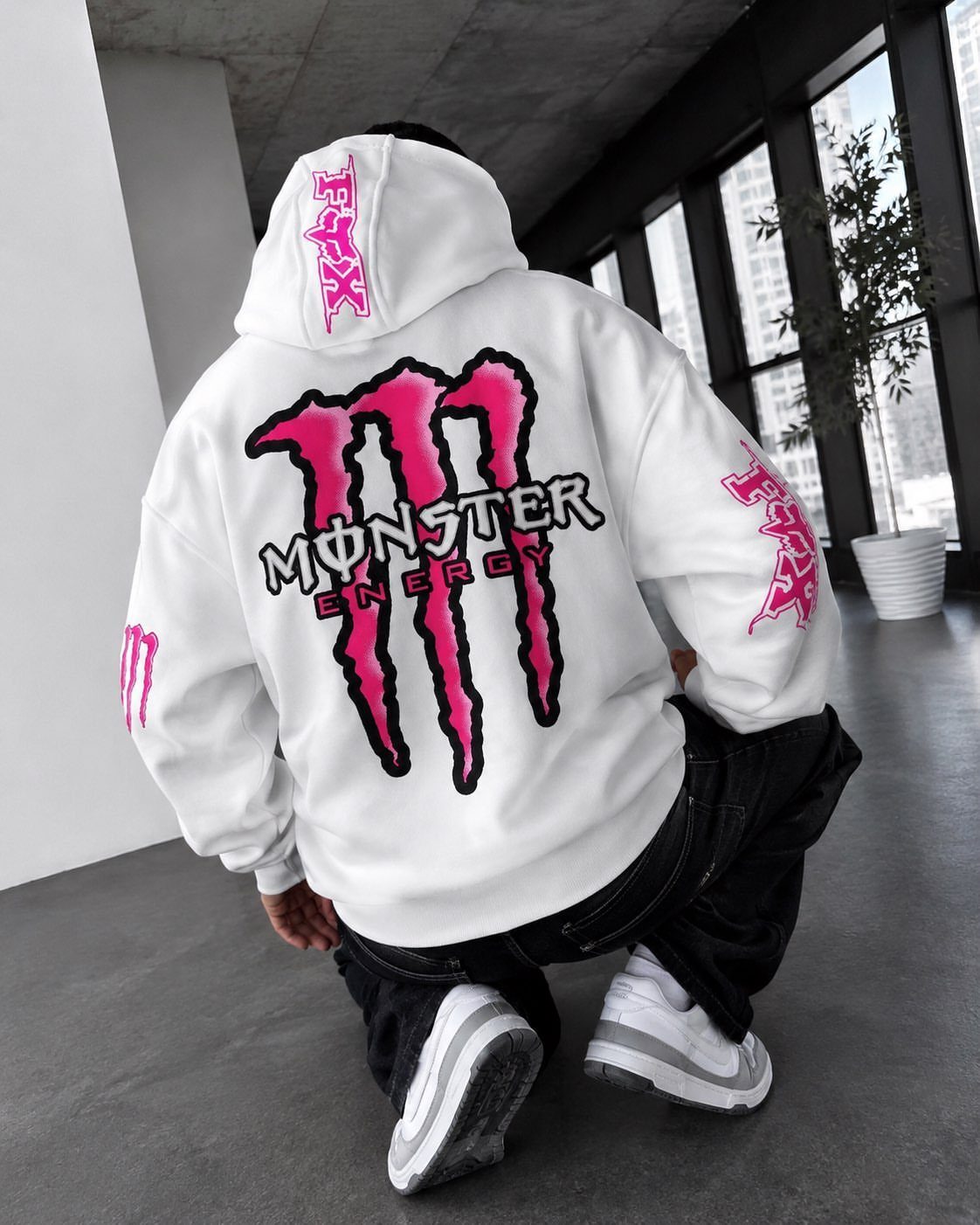
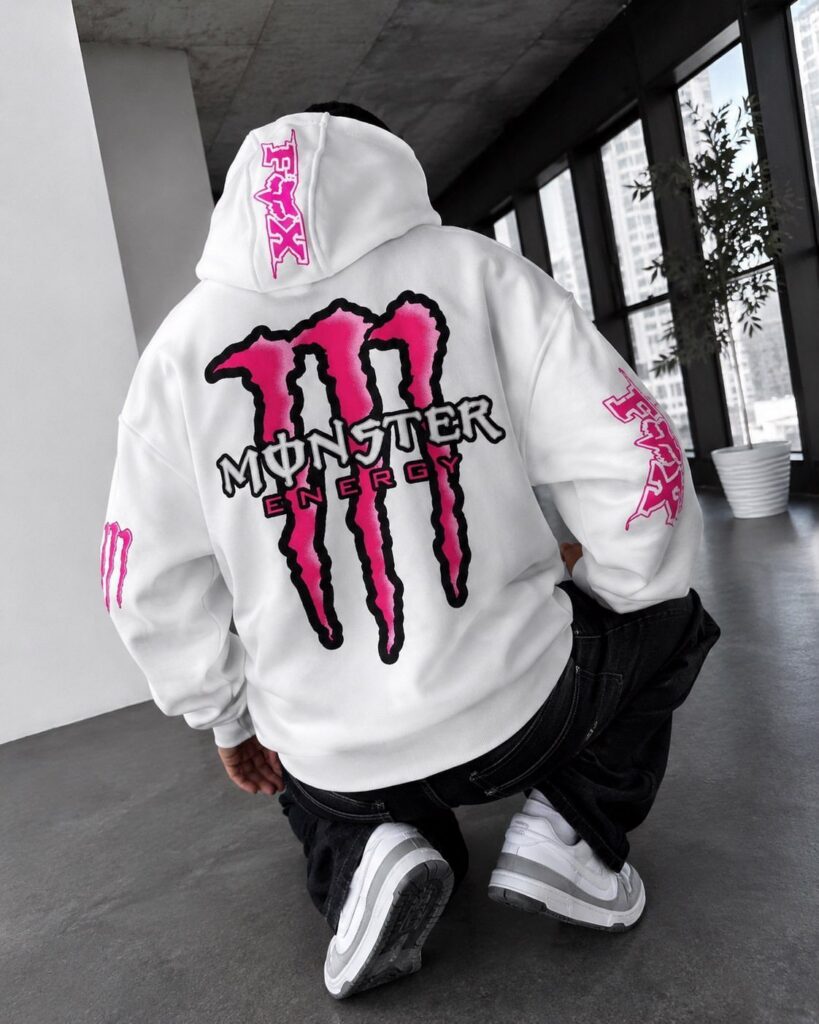
A graphic hoodie works best when it’s properly oversized, and black jeans keep all that fabric from swallowing you. A white hoodie with bold racing-style graphics gets all the attention, so the pants and sneakers should stay dark and quiet.
I would choose a hoodie that hangs past the waistband and has some room in the shoulders. Slim versions lose the loose, early-2000s feel.
Plain sneakers finish it. Keep the graphic to one piece, since a printed hoodie with a printed tee underneath turns noisy fast.
3. Boot-cut Jeans
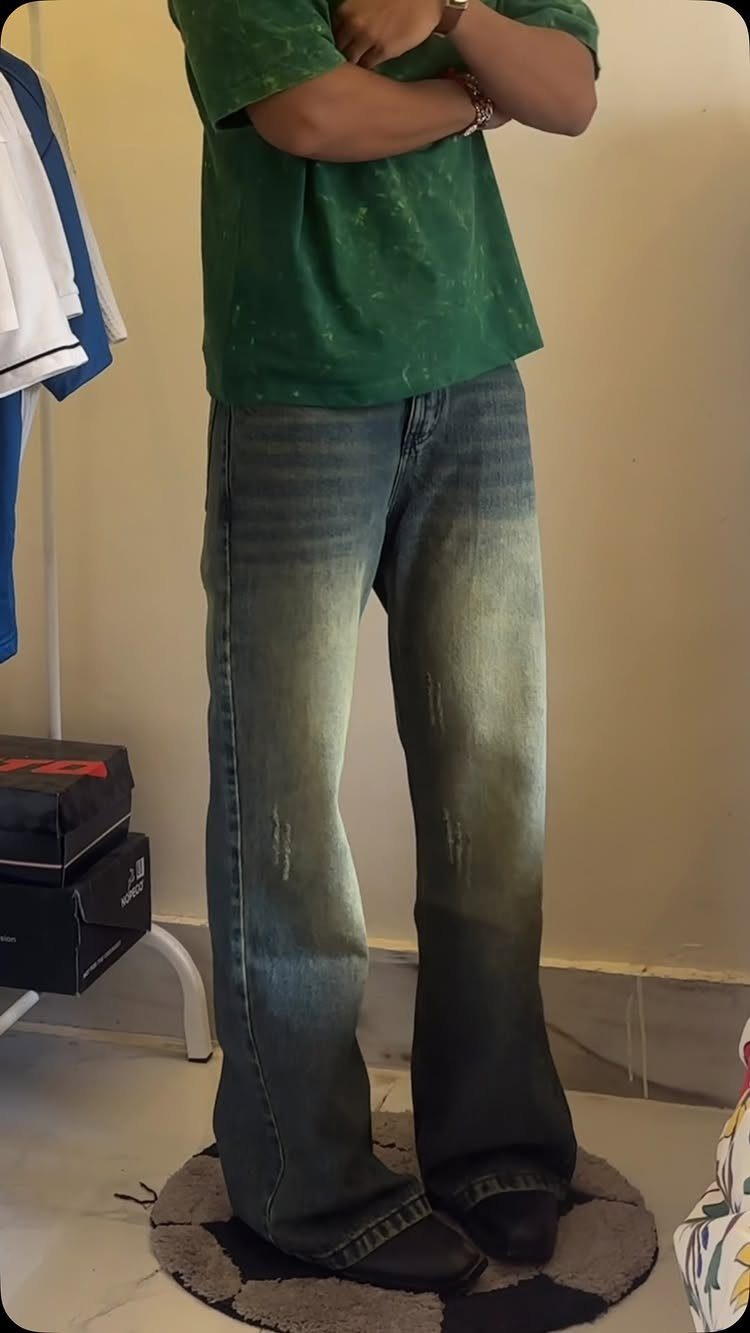
Boot-cut jeans fit close through the thigh and flare slightly from the knee, wide enough to sit over a boot. That shape is why they work with a square-toe boot, which gives the hem somewhere to land.
Faded wash with light distressing reads right for the era and wears easily with a plain short-sleeved tee. Hem them so the denim just skims the top of the boot instead of pooling.
For a modern take, keep the top simple and let the jeans carry the look. Thrift stores are the cheapest place to find a good pair.
4. Bucket Hats
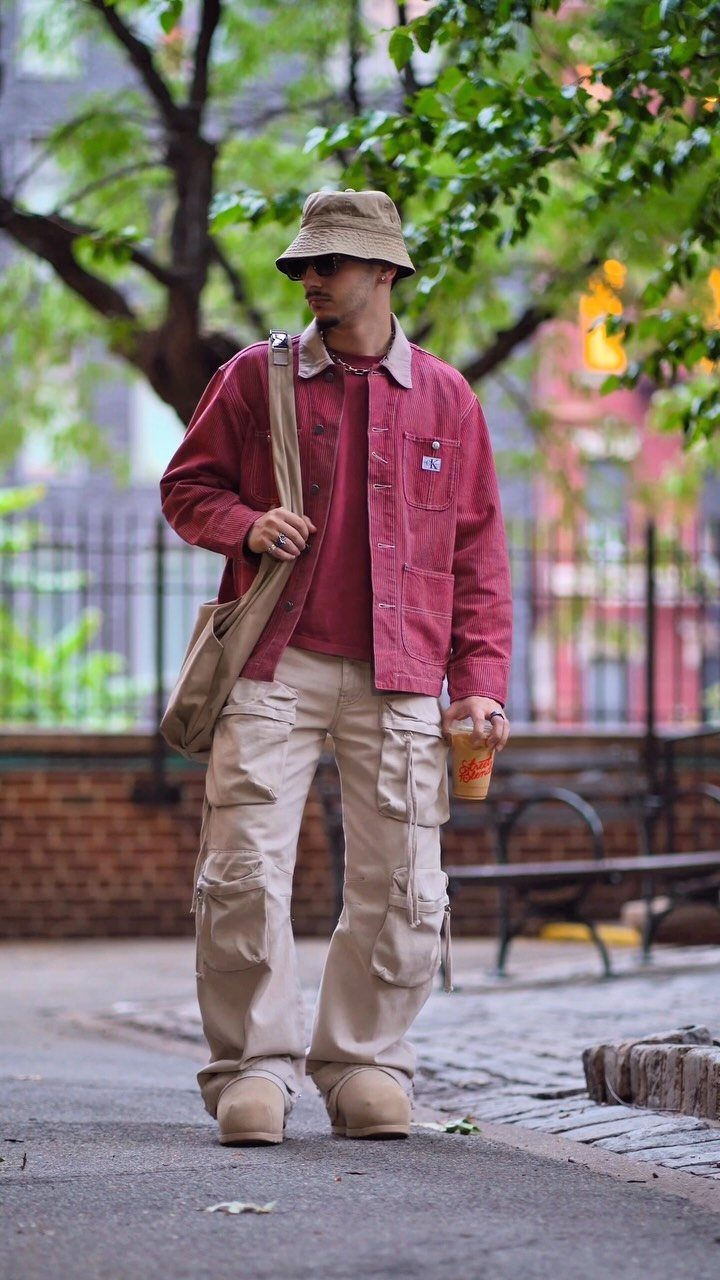
Baggy cargo pants carry a lot of volume, and a bucket hat is the cheapest way to balance it.
The maker of this outfit describes the hat as a casual 90s touch that softens the heavier proportions, and I agree with that.
Beige or tan is the easy color: it sits quietly against a red corduroy jacket. Add sunglasses and you have a full look for under a few pieces.
A bucket hat flattens your hair and hides your forehead, so I’d save it for relaxed days and skip it when you’re dressing up.
5. Polo and Flared Trousers
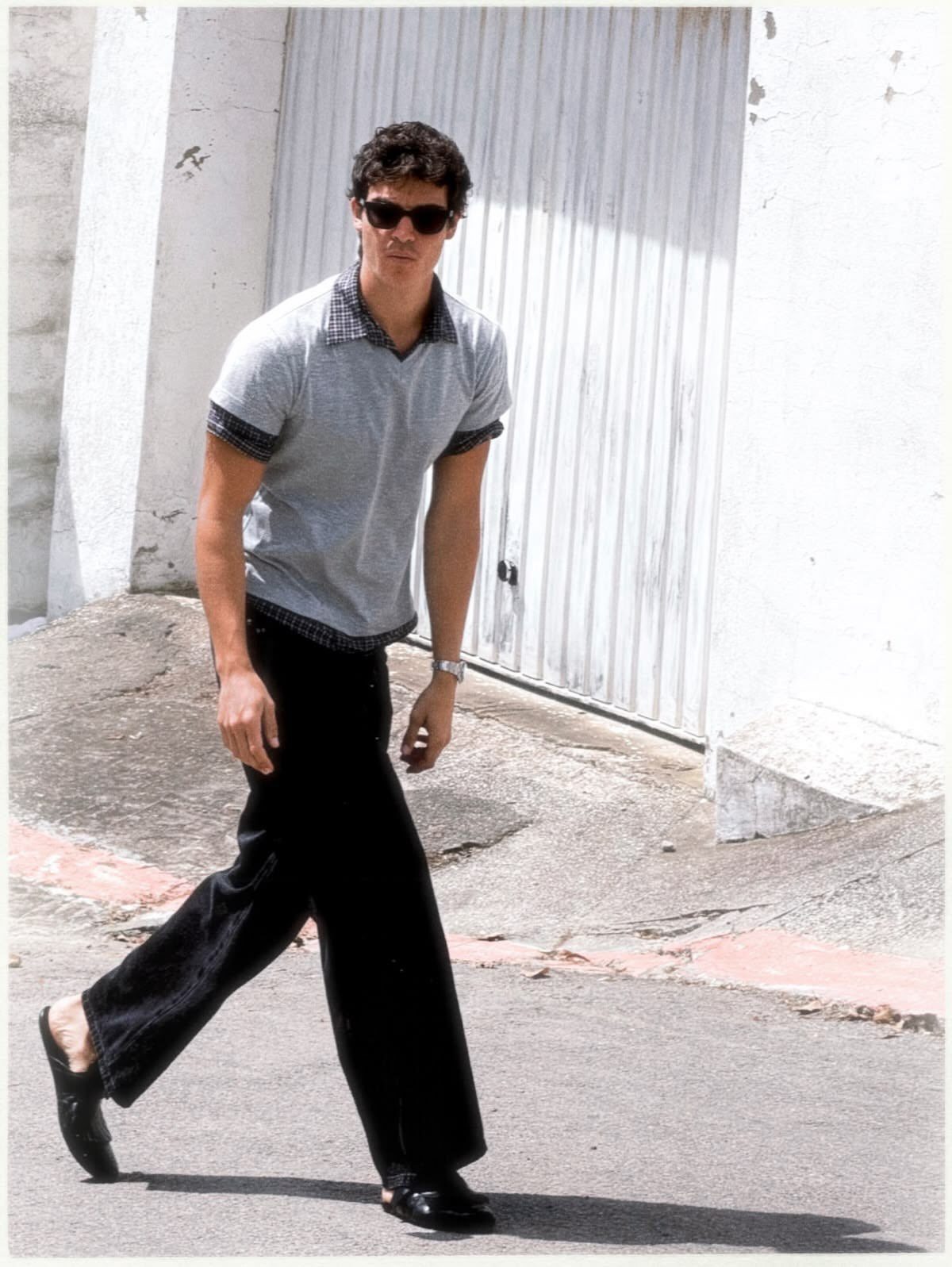
Flared black trousers make a polo look deliberate, and I like that contrast. The flare starts at the knee and widens to the hem, so wear a shirt fitted enough to show that shape.
A grey polo with patterned collar trim adds detail without color. Slip-on black shoes tuck under the hem and keep the line long and clean.
Sunglasses finish it. This works on a warm day when you want something sharper than jeans and a tee.
6. Basketball Jersey Over T-Shirt
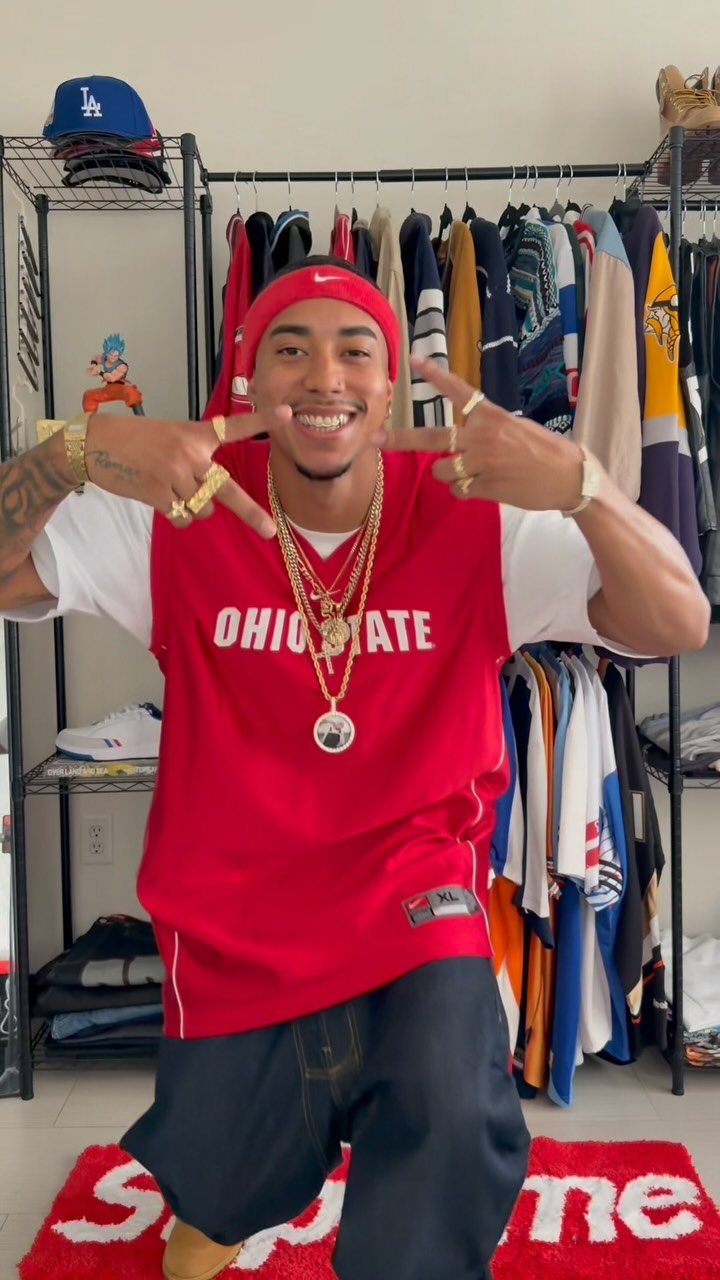
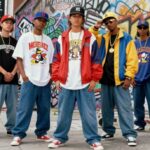
Throw an oversized jersey over a basic white tee and you’re in early 2000s hip hop styling faster than with any other combination.
The tee shows at the sleeves and hem, and it keeps the jersey from looking like a costume.
I would pair it with baggy jeans, then add the extras one at a time: a headband, thick gold chains, rings. A red jersey needs the headband in a matching red to look intentional.
Buy the jersey a size up, since the drape matters more than a fit. Secondhand shops often carry college versions for little money.
7. Wide-Leg Trousers and Button-Down
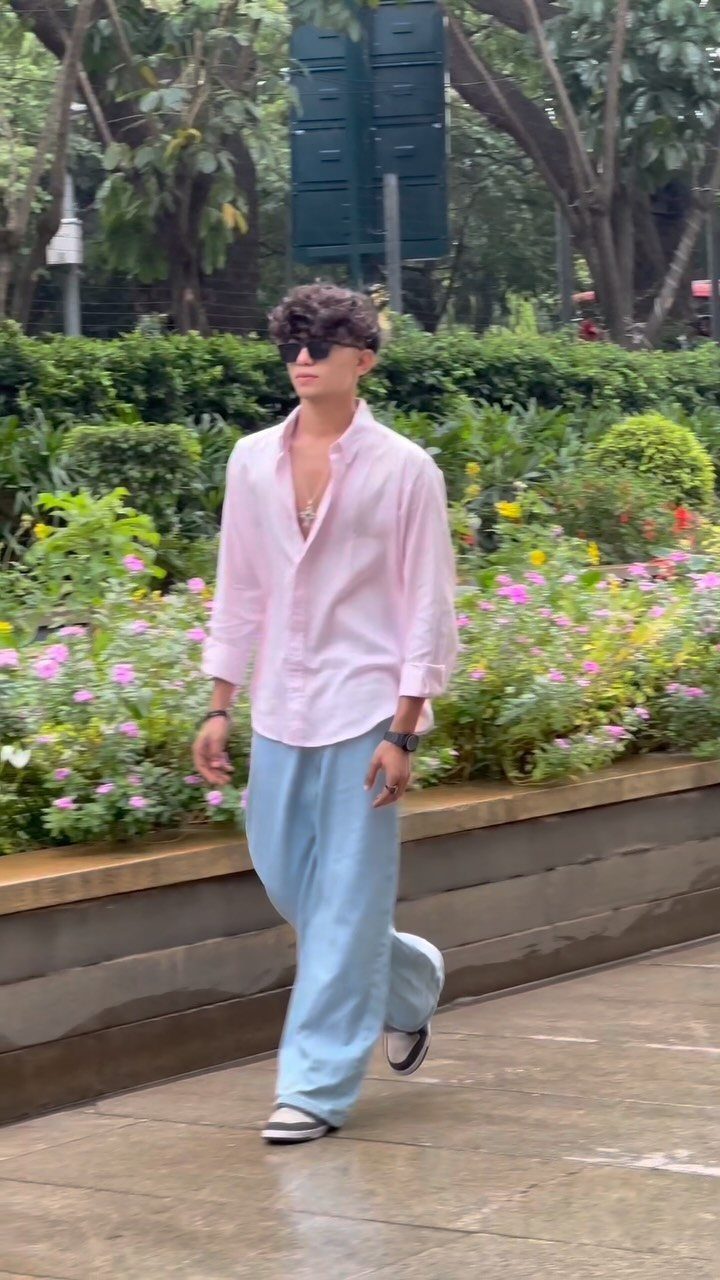
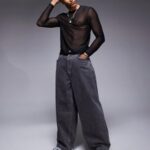
Pastel pink against light blue is a soft pairing, and baggy trousers keep it from reading as prep.
Leave the shirt open over a white tee, or button it halfway, so the fabric hangs loose instead of looking tucked in and tidy.
Wide-leg trousers want a hem that clears the ground and just covers the top of the sneakers. Sunglasses finish it, and white or pale sneakers keep the palette light.
This is a warm-weather outfit, and it costs less than it looks if you buy the trousers secondhand.
8. T-Shirt Over Long-Sleeve Shirt
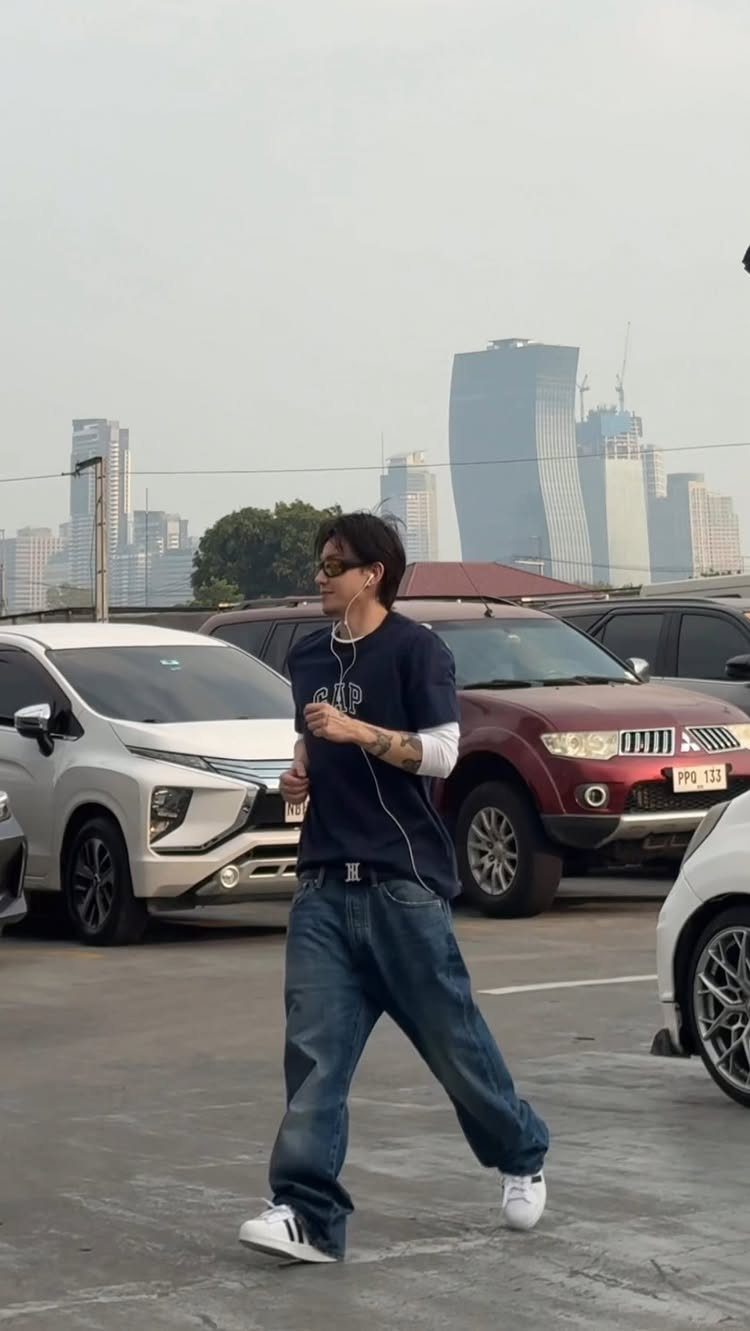
A short-sleeve tee over a white long-sleeve shirt is the cheapest layering trick going, because you probably own both pieces already. A navy tee against white sleeves gives clear contrast, and I like that it needs no third layer.
Keep the long sleeves slim and the outer tee roomy, then let baggy jeans and plain sneakers do the rest. If the tee carries a logo, as a big chest print does, leave the sleeves plain.
Push the sleeves down to the wrist rather than bunching them up, which looks sloppy.
9. Baggy Embroidered Jeans and Tee
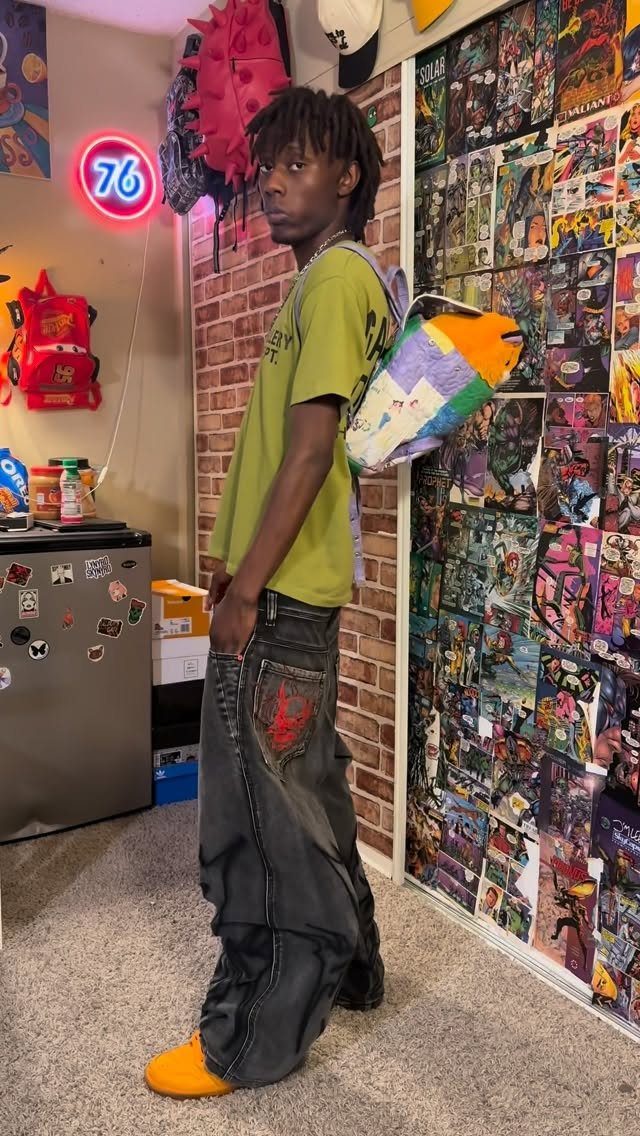
Dark baggy jeans with red pocket embroidery already carry all the attention, so the tee should stay a single solid color. Olive or lime green both work, and orange sneakers pick up the warmth of the red without matching it.
I would keep the jeans long enough to stack slightly over the shoes, since extremely baggy denim looks wrong when it’s cropped. Skip any graphic on the tee; the embroidery already supplies the detail.
Embroidered denim can cost more new, so check secondhand listings before paying full price.
Influence of Celebrity Culture
Celebrity influence in the 2000s ran in 2 directions, and the useful lesson is how it worked.
Luxury houses like Tom Ford, Dolce & Gabbana and Gucci pushed glamour and sex appeal, while Supreme, BAPE and Stüssy built cult followings in streetwear. Collaborations by David Beckham, Kanye West and Pharrell Williams pulled the 2 sides closer together.
That mix is worth copying: one sharp, polished piece against a loose streetwear base. A tailored jacket over a solid white t-shirt does it, and so does a clean pair of dark trousers under a hoodie.
Pick one reference per outfit. Copying a whole celebrity look head to toe reads as a costume.
Casual Vs. Formal Wear
The 2000s blurred casual and formal, and that habit still works. Lightweight jackets, zip-up sweaters and casual blazers went over tees or button-downs, so one outfit could run from day to night.
I’d start with a casual blazer worn over a basic crewneck tee in white, gray, or black. Add dark jeans and clean sneakers, and you can walk into a dinner without changing.
Slip-ons like Vans or loafers do the same job at the feet. They look relaxed but not careless.
Flip-flops were popular in the decade, yet they stay a contentious choice in public. I’d skip them for anything past the beach.
Keep the formal piece to one item. 2 dressy pieces with a tee thrown in start to read as a work outfit.
Frequently Asked Questions
What were people wearing in the 2000s?
Men wore baggy jeans, cargo pants, graphic tees, oversized hoodies and boot-cut jeans, with basketball jerseys over white tees in hip hop circles.
Casual and formal also blurred, so a lightweight jacket or casual blazer went over a tee or button-down.
Is Y2K 2000s?
Y2K reaches back to the late 1990s and runs through the first few years of the 2000s, so the two overlap but aren’t identical.
It leans on futuristic designs, shiny fabrics and tech-inspired accessories, and the name comes from the buzz around the year 2000. Most men’s outfits people call Y2K today are really early-2000s casualwear: loose denim, graphic tees and hoodies.
What is a Y2K theme outfit?
A Y2K outfit pairs loose, casual pieces like baggy jeans, a graphic tee or an oversized hoodie with one sharper item.
Denim does a lot of the work, and bold color usually comes from a single piece. Keep everything around the loudest piece plain, and the outfit reads as a choice instead of a costume.