Which 2010s look suits you depends on how loud you want to be and how much of the outfit you’re willing to keep quiet.
The list runs from a plain white tee under ripped light-wash skinny jeans to baggy drop-crotch leather pants with a black leather shirt, and the rule holds at both ends: one piece gets the attention, and everything around it stays plain.
Pick the piece you’re comfortable being looked at in, then mute the rest.
1. Skinny Jeans
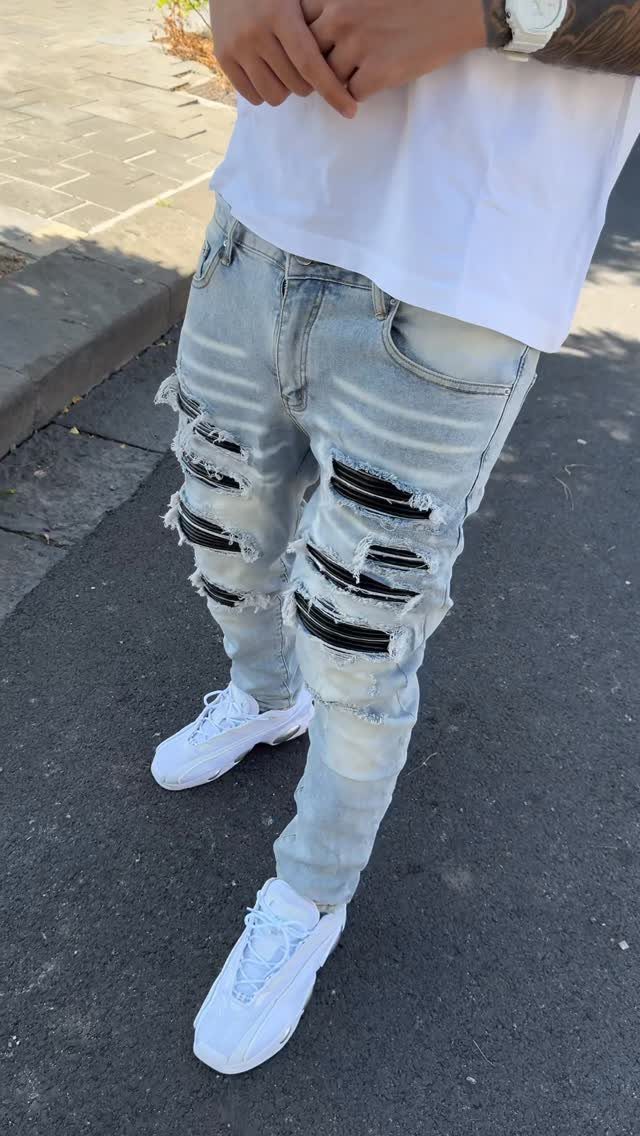
Ripped light-wash skinny jeans get all their attention from the knees down, so everything else should stay quiet. A plain white tee and white sneakers do that job, and I’d keep it that way.
Heavy distressing also means the leg opening matters. Patches behind the rips keep the denim from catching on your shoes, and a slim, clean sneaker sits better than a chunky one.
2. Sweater and Blazer with Jeans
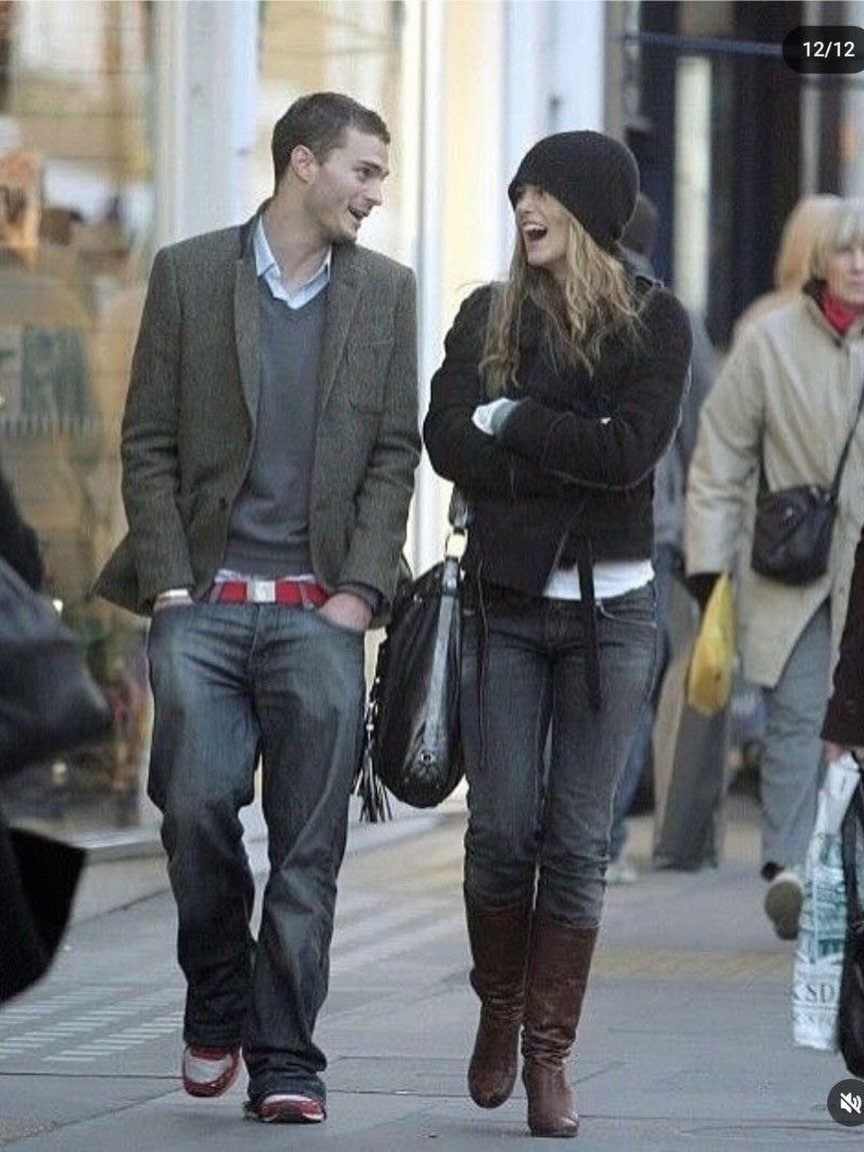
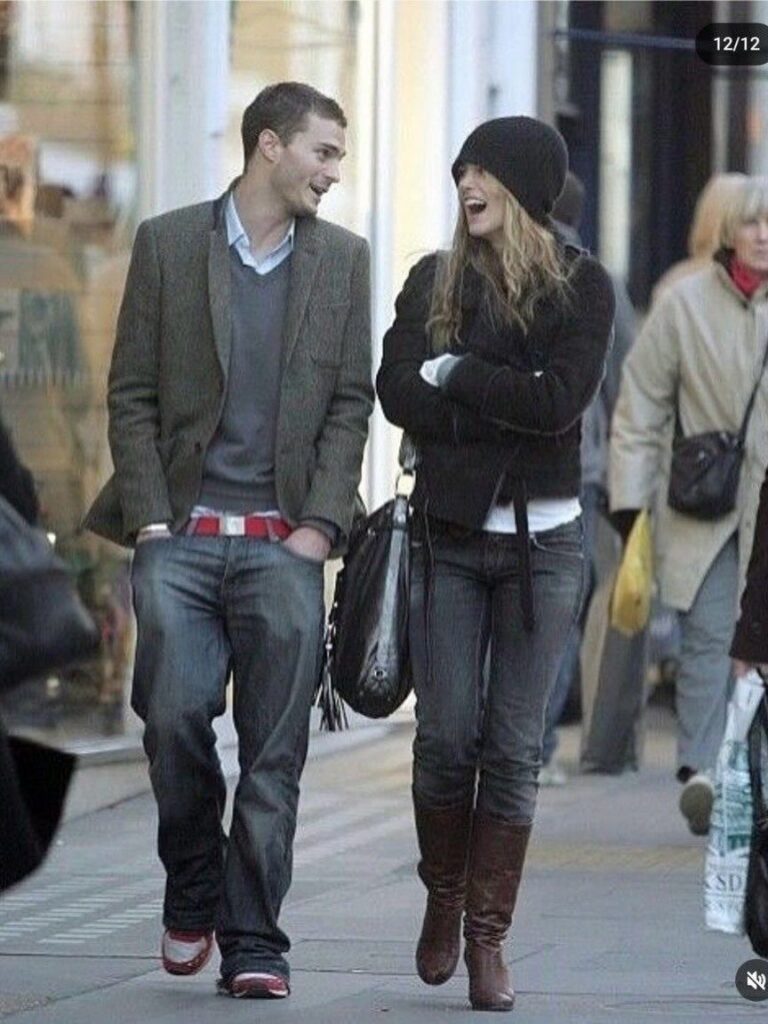
A grey V-neck sweater under a tailored blazer is the easiest way I know to dress up jeans without a collared shirt. Where a tie would sit, the knit fills the gap, and the whole look reads as finished.
Dark jeans keep it sharp, and a belt in a bolder color, like the red here, adds one deliberate accent. If the blazer feels stiff, pick a softer one and let the sweater do the work.
3. Leather Streetwear Set
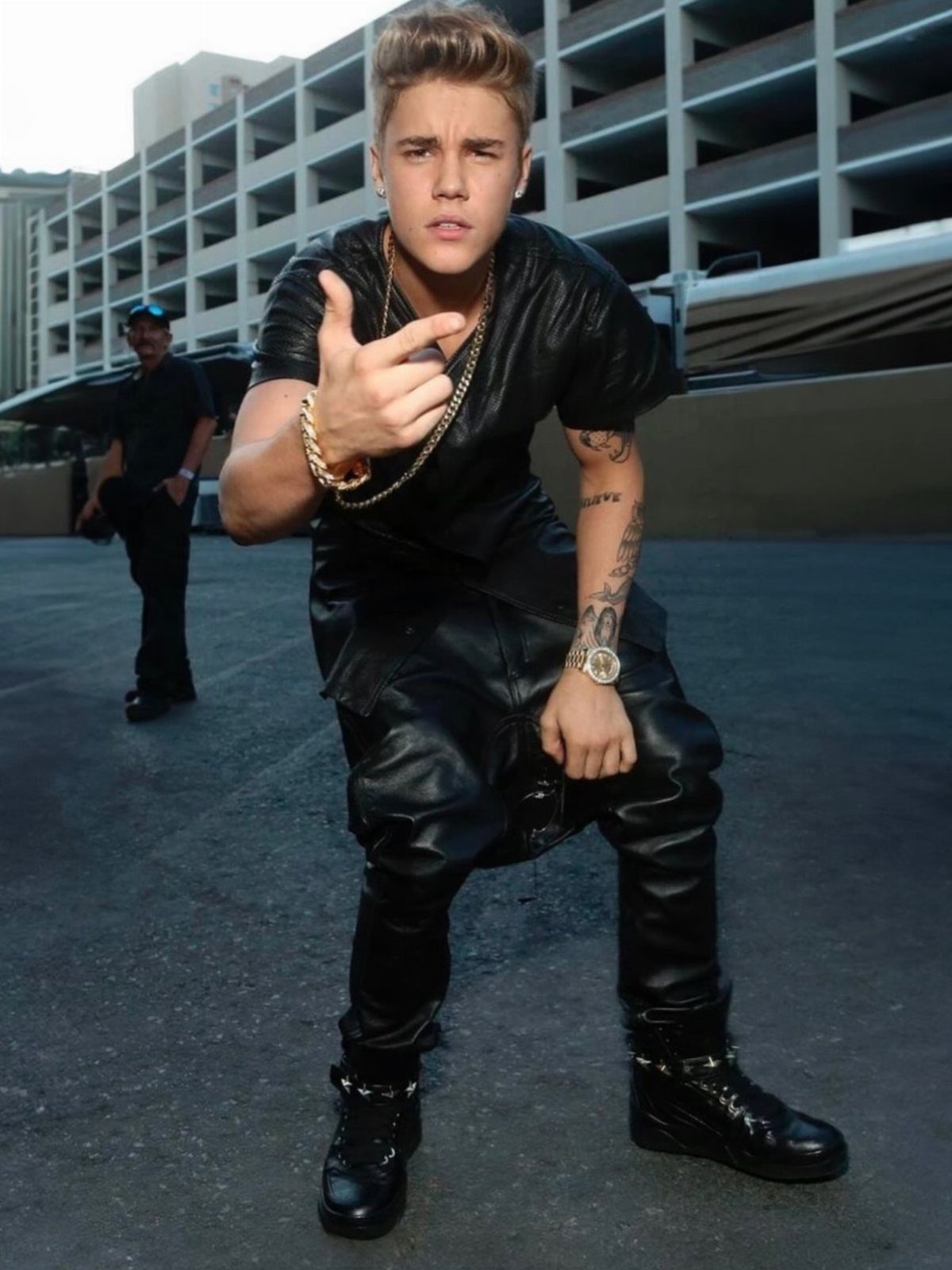
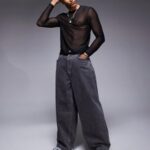
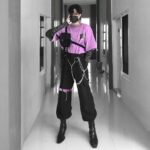
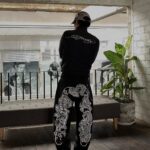
Baggy drop-crotch leather pants against a black leather shirt is a loud, committed look, and it works because the color stays in one family. High-top sneakers keep the wide leg from swallowing your feet.
Gold jewelry is the only contrast, so choose a few pieces rather than a pile. Leather on top and bottom runs warm, which is a real cost on a hot day.
4. Monochrome Matching Sweatsuit
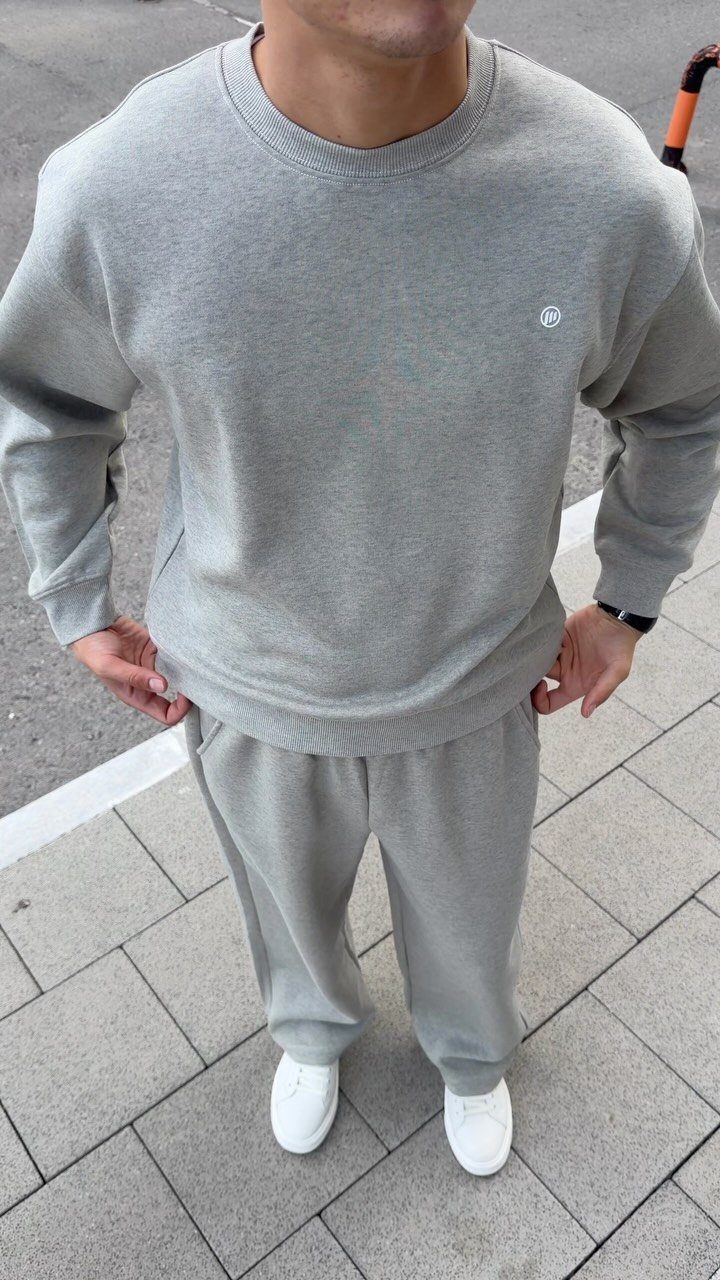
Matching heather grey sweatshirt and sweatpants only look intentional if the 2 pieces share the same shade. Buy them as a set, or hold them side by side in daylight before you commit.
Clean white sneakers are what stop it from reading as pajamas. Jogger cuffs that end at the ankle show off the shoes, so I’d pick that cut over a straight leg here.
5. Soccer Jersey Streetwear
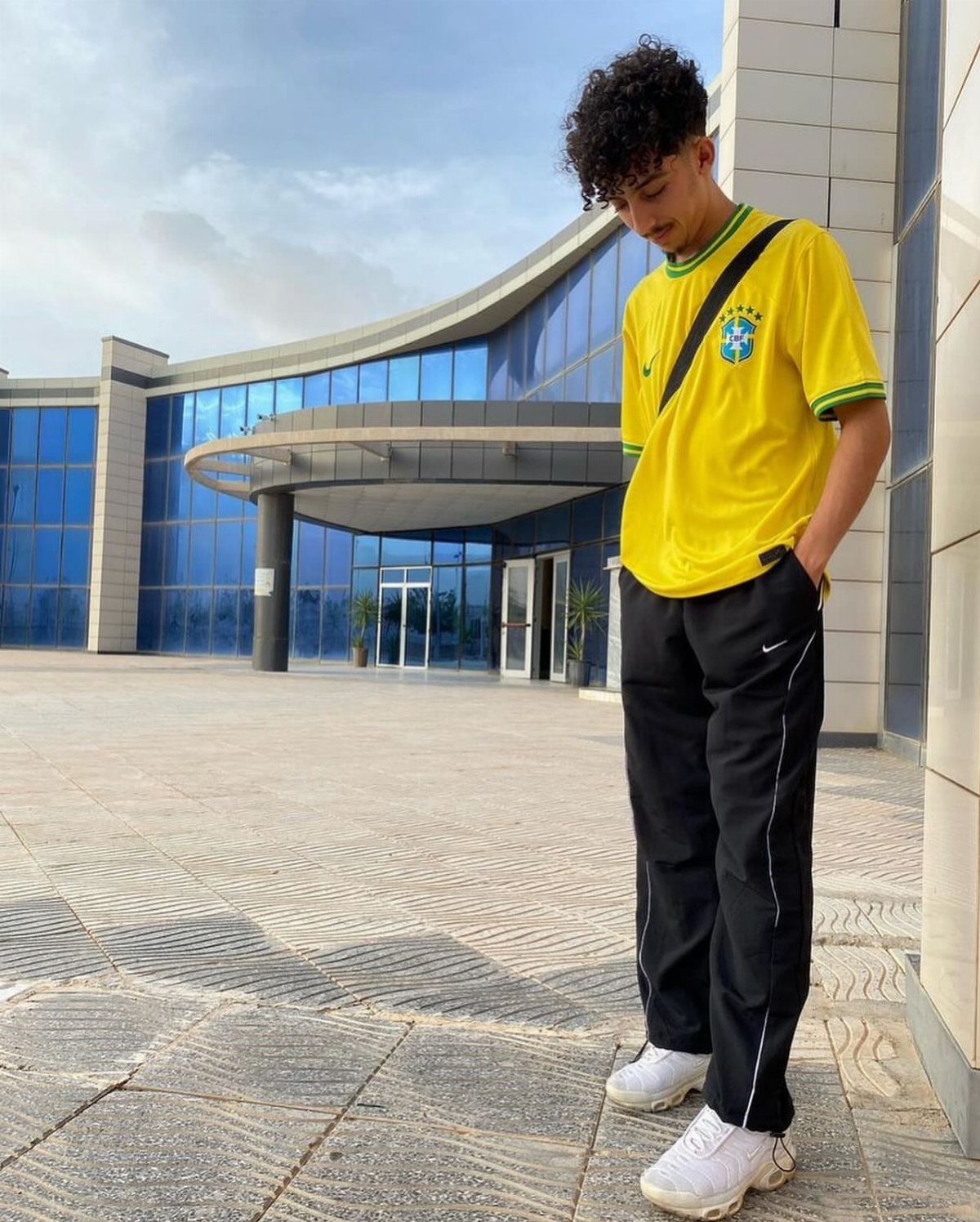
A bright yellow national team jersey is the loudest thing you can wear, so I’d mute everything around it. Black track pants and white sneakers do exactly that, and the colors read as a palette instead of a costume.
A crossbody strap adds a practical layer without competing. Keep the jersey fit loose, not tight, so it looks like streetwear and not game day.
6. Graphic Crewneck with Slim Denim
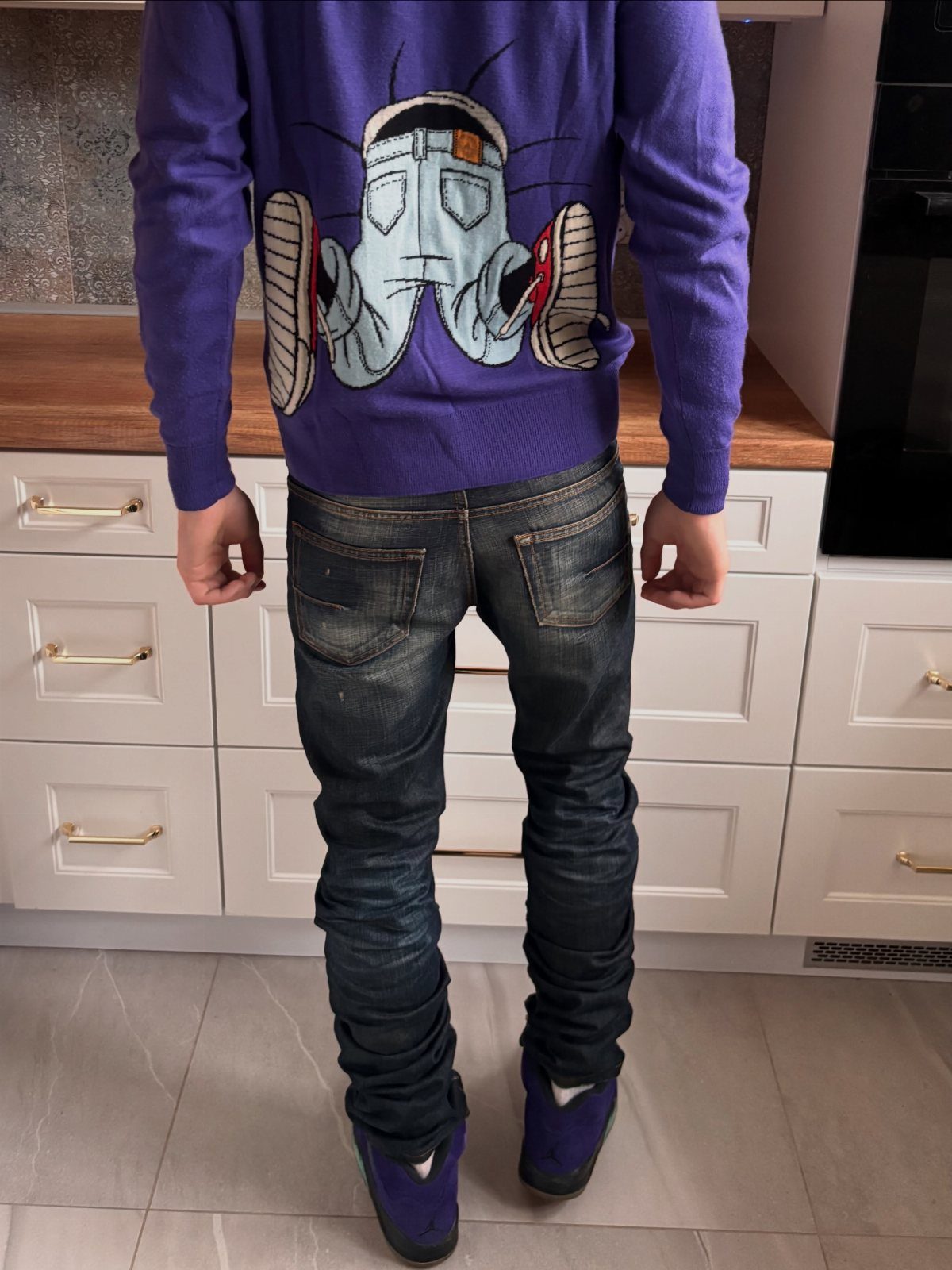
A purple graphic sweater with a cartoon print on the back is the statement, so the denim should be slim, dark and plain. Stacked hems at the ankle add shape without adding anything to look at.
Matching the sneakers to the sweater, as purple high-tops do here, ties it together, though it’s the riskiest move in the outfit. Safer: go with white or black high-tops and let the sweater carry the color.
7. Cuffed Trousers with Loafers
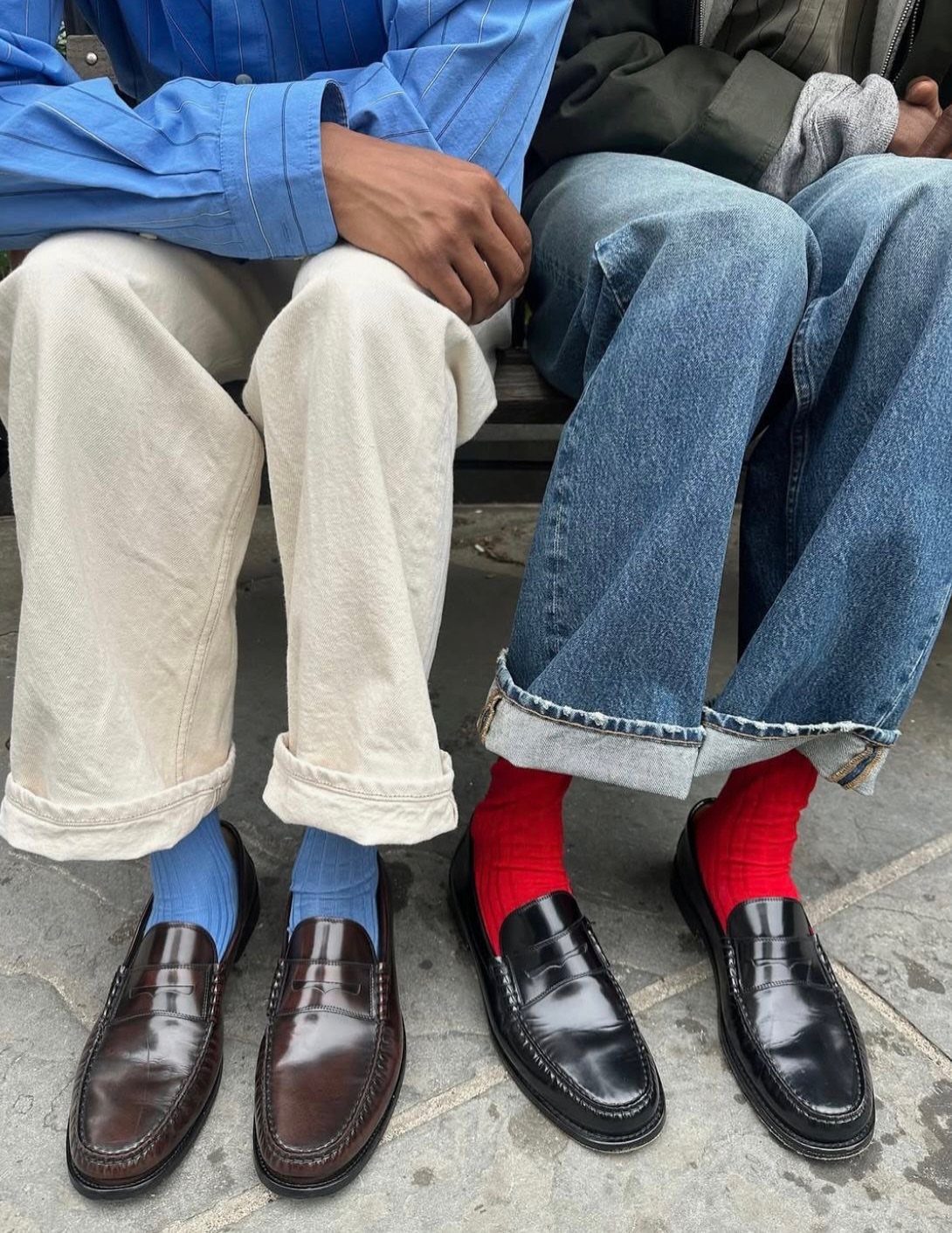
Rolled hems exist to show the sock, so pick the sock first. Light blue under cream pants and red under blue jeans both work because each color stands apart from the trouser instead of matching it.
Loafers in brown or black keep the bright socks from looking playful. Roll the cuff once or twice, enough to clear the ankle bone, and skip the sock if your pair is plain.
8. Olive Bomber Jacket Outfit
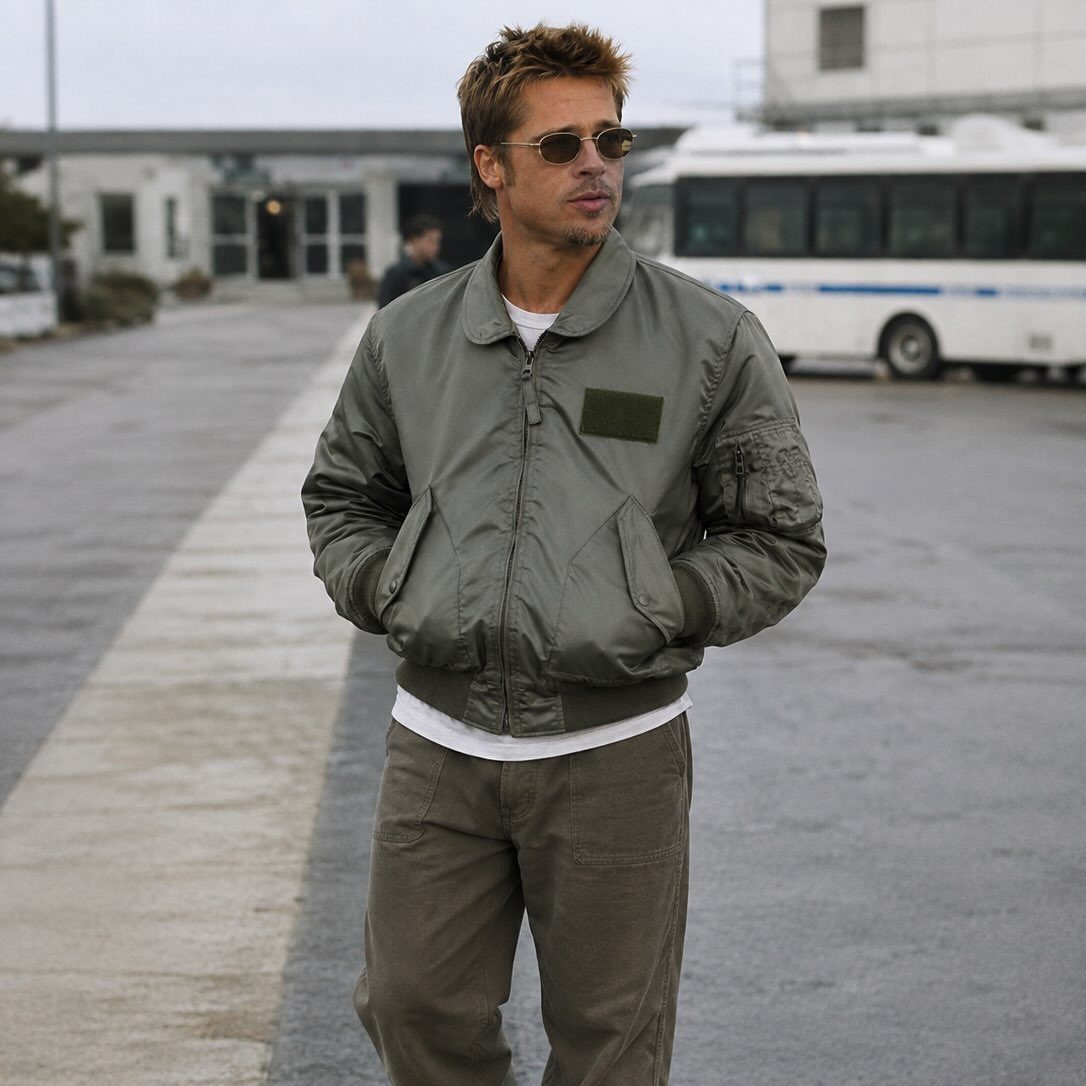
Olive and khaki sit close enough on the color wheel that the outfit holds together without effort, and a white tee underneath keeps it from turning into a uniform. That’s the reason I like this bomber so much.
Sunglasses finish it.
Choose a jacket that stops at the waist, so the trousers show and the proportions stay balanced. Plain white is the safest layer; anything with a loud print would fight the jacket.
Cultural Influences on Fashion Trends
3 forces drove most of what men wore in the 2010s: social media, celebrity culture and music.
Tumblr pushed youth-led looks like scene, swag, indie and East Asian streetwear, and those brought bright color schemes, layered accessories and skinny jeans with them.
Nostalgia ran underneath all of it. Hipster style, normcore, minimalism, 1980s-style neon streetwear and unisex pieces borrowed from 1990s grunge all came back around, so the decade looks like a pile of revivals more than one clean look.
To borrow from that era now, choose one reference, say skinny chinos or a bold graphic tee, and let everything else you wear stay current.
By mid-decade athleisure had taken over, with comfort and function as the selling points. That is the part that has aged best, because it still works on a normal weekday.
Impact of Fast Fashion
H&M, Forever 21 and Zara made 2010s trends cheap and fast to copy. They also drew heavy scrutiny over labor conditions and environmental damage, and low-quality clothing piling up in landfills pushed some buyers toward more sustainable brands like Everlane.
My advice is to buy the pieces you will wear hardest, like jeans, outerwear and shoes, with durability in mind. Cheap versions of a loud trend are fine for a few wears, but they rarely survive a second season.
Before buying anything, check the fabric tag and the seams.
Then ask whether you can name 3 outfits it works in. If you can’t, leave it on the rack.
Evolution of Influencer Culture
Scrolling Instagram in those years was a lot like sitting front row, except the models were regular guys and the clothes were already on sale.
Celebrities, influencers and regular people started posting what they wore every day, and the #OOTD tag carried a good fit from one feed to thousands of others within hours.
That format still teaches something useful: a single photo of an outfit shows you the proportions and the color mix fast.
Save the ones that fit your body type and budget, then break each look into its three or four basic pieces.
Copy the formula, not the exact items. An outfit built from pieces you already own will look better on you than a full copy of someone else’s post.
Frequently Asked Questions
What is 2010s attire?
It was a mix of athleisure, streetwear and minimalist styles, with skinny jeans, slim V-neck tees, graphic tops and bright colors in the early years.
Most of the look came from Instagram feeds, celebrity wardrobes and the music people streamed, and much of it was recycled: hipster staples, normcore blandness, neon from the 1980s and flannel from 1990s grunge.
Athleisure took over around 2015, and I’d say it has held up best of anything from the decade, since joggers and clean sneakers still pass on an ordinary weekday.
What did teenage boys wear in the 2010s?
Slim-fitting V-neck tees and hoodies, skinny jeans, and cartoon or tattoo-style graphics were everywhere. Denim jackets and neon windbreakers reflected the 1980s revival, and flannel shirts brought in indie style.
Accessories ran to studded belts, rubber bracelets, novelty socks and thick-rimmed "nerd" glasses, and preppy brands like Polo Ralph Lauren and J Crew stayed popular.
What were the biggest fashion fails of 2010?
The pages that cover it point to excessive statement necklaces, neon skinny jeans and poorly styled hipster layering.
The common problem was too many loud pieces at once. If you borrow from the era, mute everything around a single bold item.
Will 2010s fashion come back?
Yes, parts of it are already returning, including athleisure, streetwear and high-waisted jeans.
Trends tend to loop back after 15–20 years, and one forecast puts the return of slim, high-rise trousers with pleats at about 2030. Athleisure is the safest piece to wear now, because comfort and function never really went out.