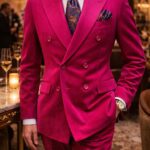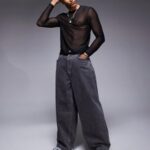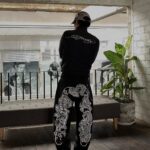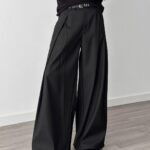
The range runs from graphic tees and Bermuda shorts to wide-leg trousers with a henley and a tailored coat over a turtleneck, and the weather where you live decides which end you reach for: shorts and a tee in heat, a patterned sweater or a coat in cold.
The fit advice in Choosing the Right Fit holds for every look here: when one piece runs loose, like wide-leg trousers or a hoodie, I pair it with something cleaner, like a henley or a plain pair of sneakers.
Most of the outfits lean on a single loud item, like a red tee or a distressed denim jacket, so pick that piece first and keep the rest quiet.
1. Distressed Denim Jackets
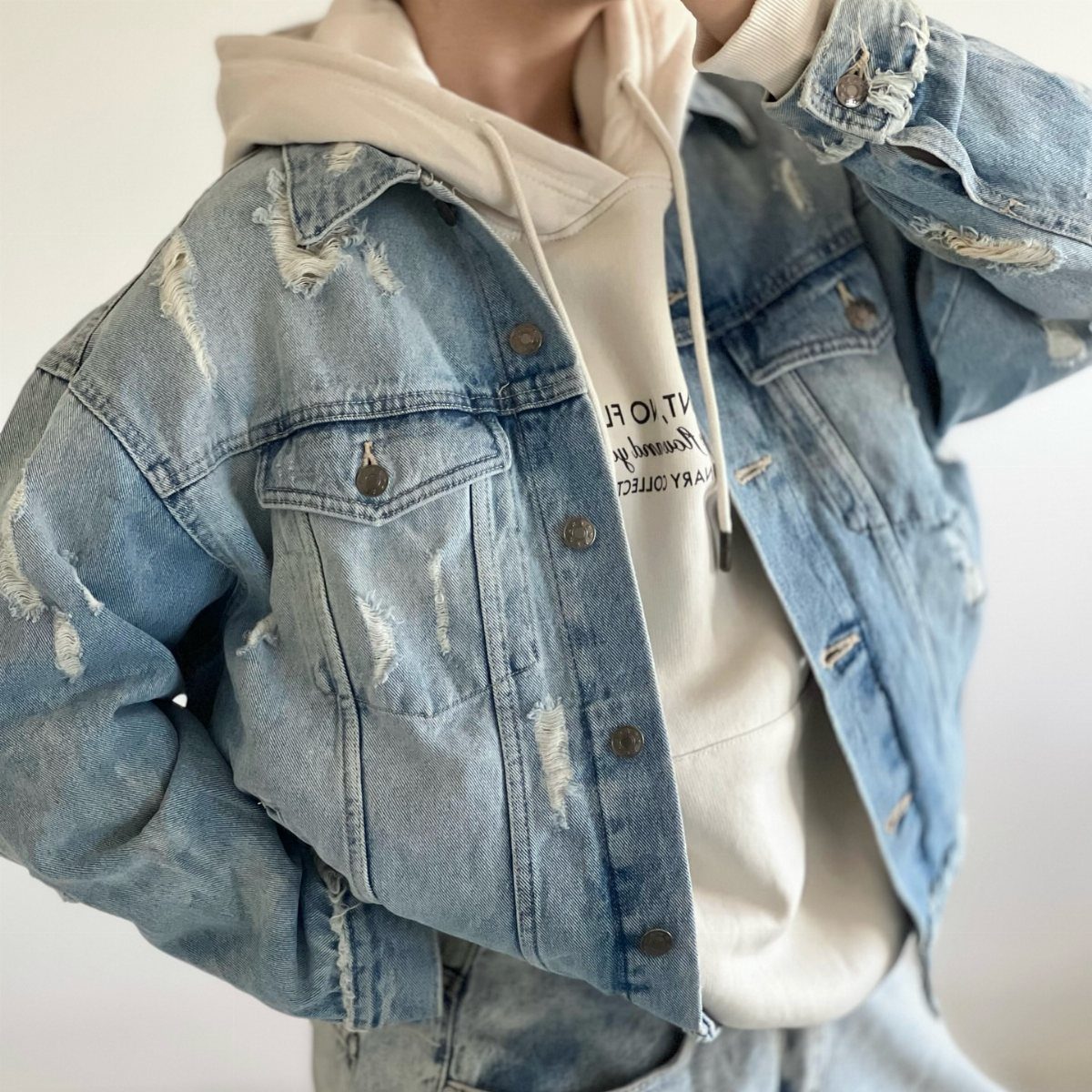
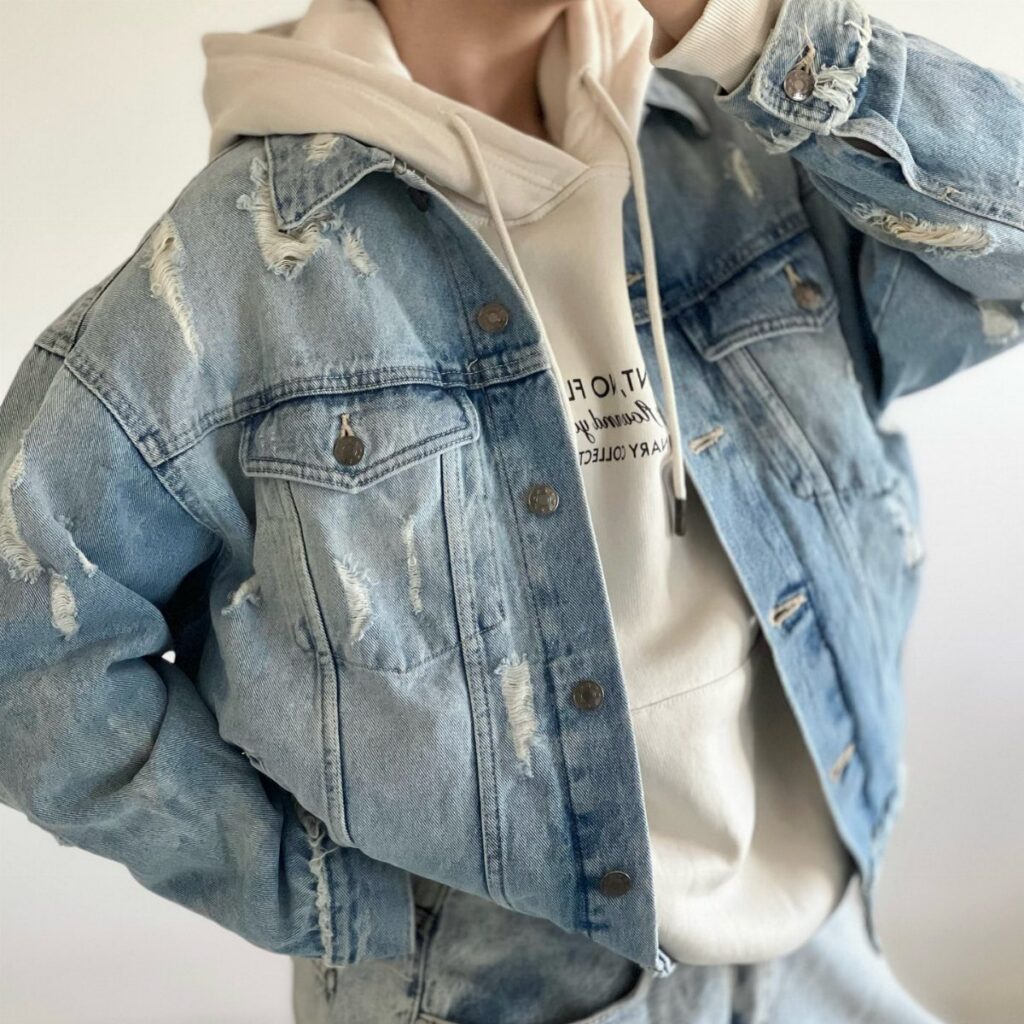
A light-wash denim jacket with rips at the collar and sleeves works best when everything under it stays quiet. A cream or white hoodie does that job, and light jeans keep everything in one tonal range.
Skip heavy distressing on both the jacket and the jeans.
One ripped piece reads as a choice; two start to look like a costume. I’d pick the jacket as the loud item and keep the rest plain.
2. Sneakers
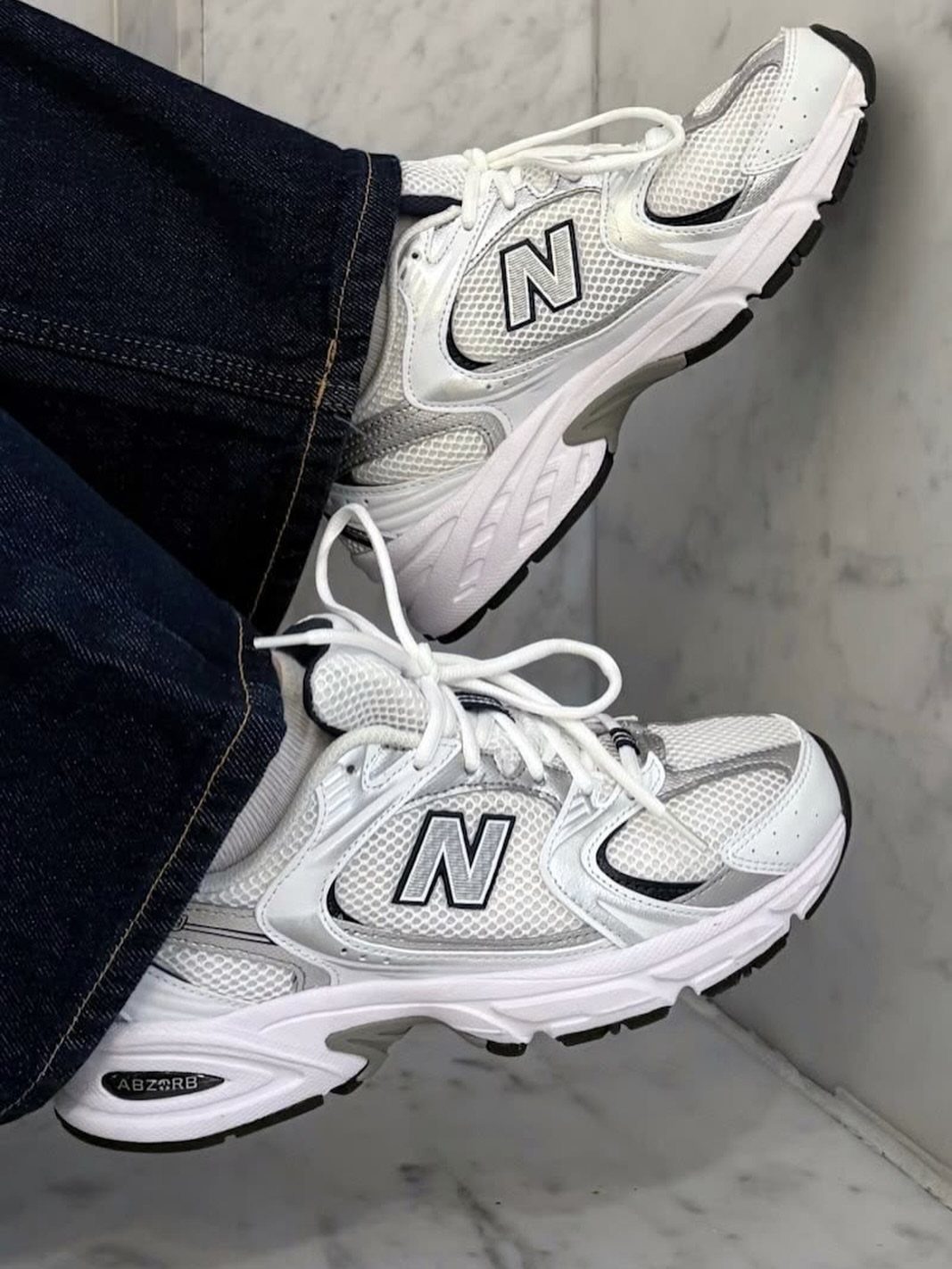
The contrast is clean, and the grey keeps the pair from looking stark.
Let the jeans break just over the shoe or stack a little, so the sneaker stays in view. Keep everything else simple, since a pair like this already has enough shape and detail to carry the look.
The trade-off: white shows scuffs fast, so wipe them down often.
3. Hoodies and Sweatshirts
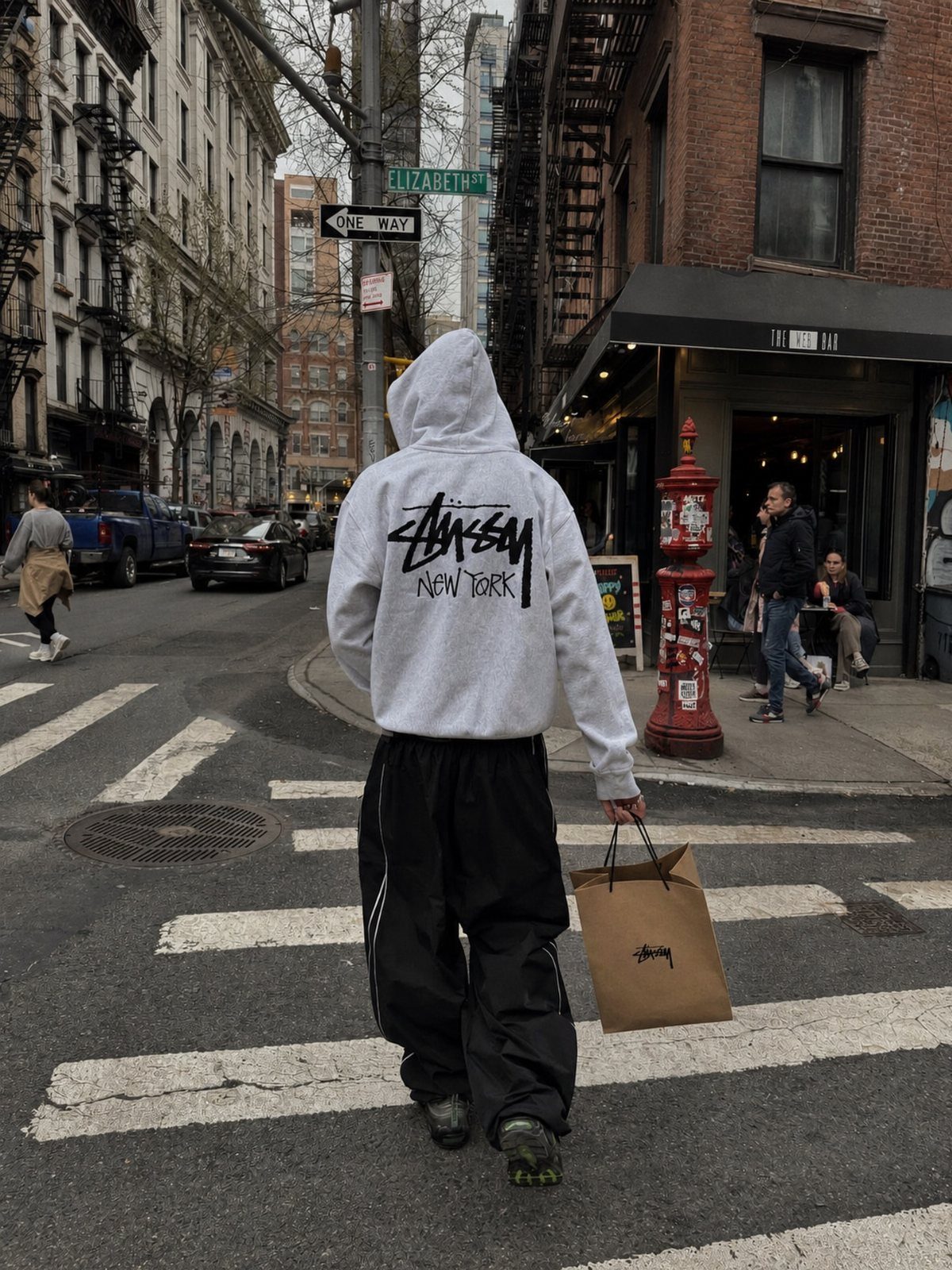
Oversized and grey, a graphic hoodie is about as low-effort as streetwear gets, and that’s why it works on a normal weekday. Pair it with baggy black pants and the outfit has one loose shape on top and one below.
Balance matters here. If the hoodie is big, I’d keep the print modest and the pants dark, so the look stays deliberate rather than sloppy.
Sneakers finish it. Anything bulky on your feet suits the volume.
4. Graphic Tees
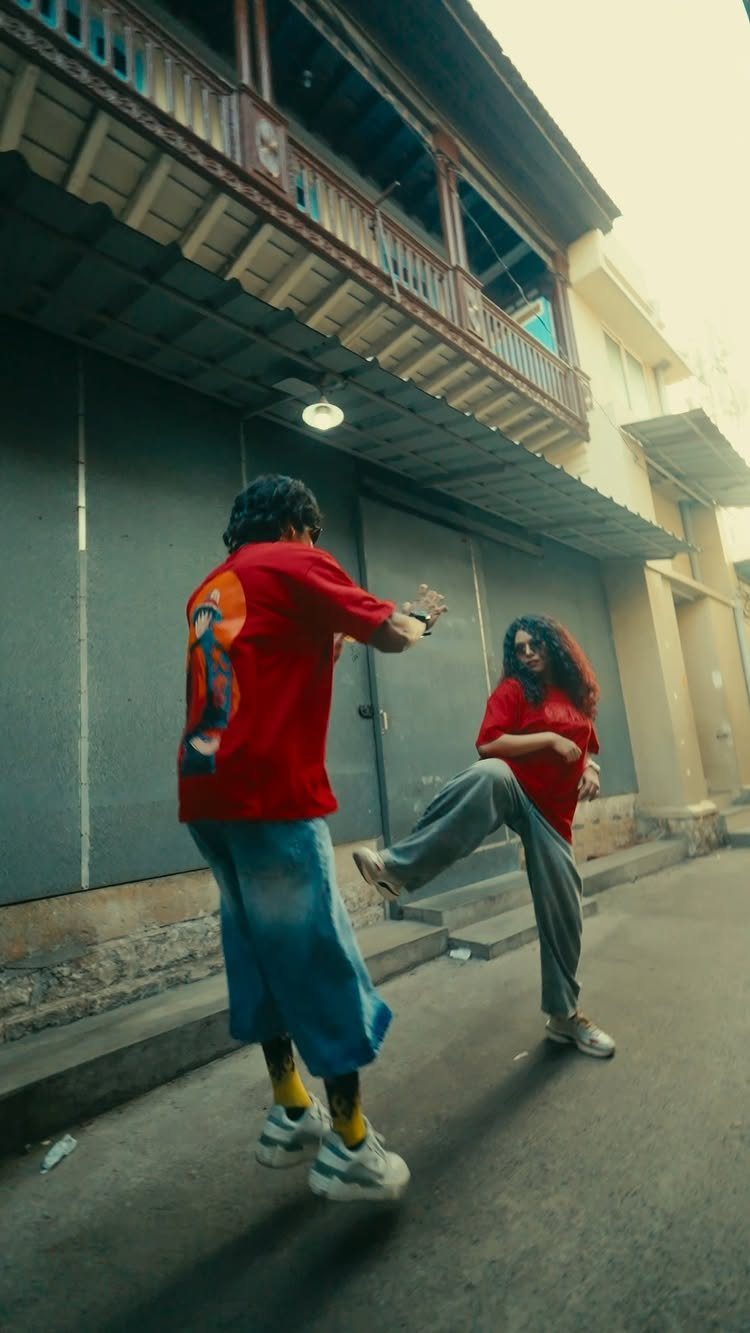
Red is the loudest color you can put on a graphic tee, so let it be the only loud thing. Oversized fit, baggy pants and sneakers keep it relaxed, and the print does the talking.
Pick a tee with a heavy enough cotton to hang rather than cling; thin fabric turns boxy fits into a wrinkled mess. Black, grey or washed denim bottoms all work.
Matching a friend is optional, and it’s fun, but one red tee is plenty.
5. Bermuda Shorts
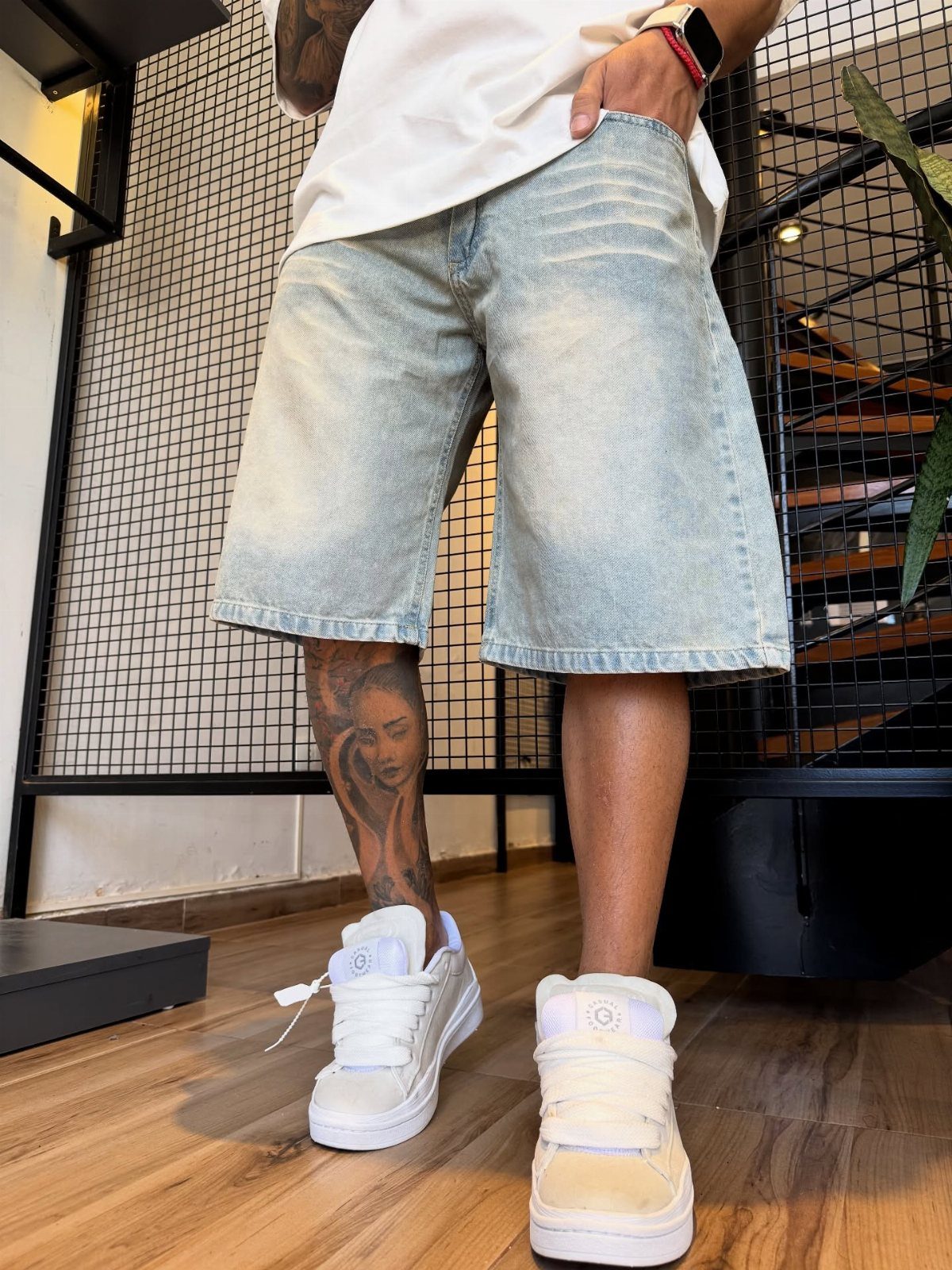
Denim Bermudas in a light wash are the shorts I’d pick for warm days, because they read casual without looking like gym wear.
Length decides everything.
Around the knee looks intentional, while shorter cuts drift toward beachwear. An untucked or half-tucked tee works best here, and the shorts should stay a little loose.
Skip dark socks with white sneakers; go no-show or skip them.
6. Tailored Coat with Turtleneck
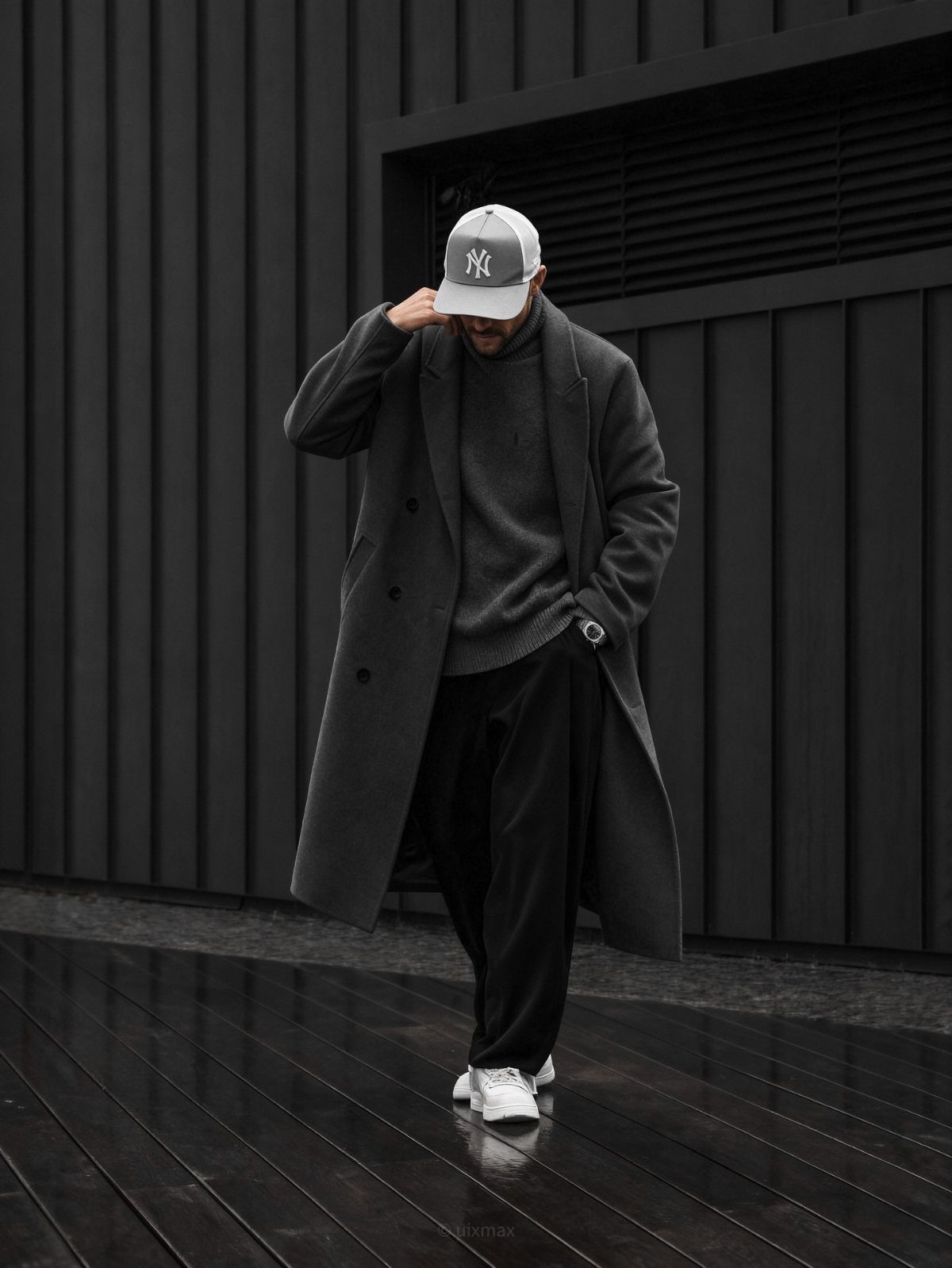
A long grey overcoat over a grey turtleneck gives you one tone from collar to hem, and that is what makes it look expensive. Black trousers anchor the bottom, and white sneakers keep it from feeling stiff.
I like the wide-leg trouser version too, since the drape matches the coat’s length. A cap adds the street edge, though you can drop it for dressier settings.
Choose a coat that ends near the knee. Shorter looks like a jacket; longer swallows most frames.
7. Varsity Jacket and Jeans
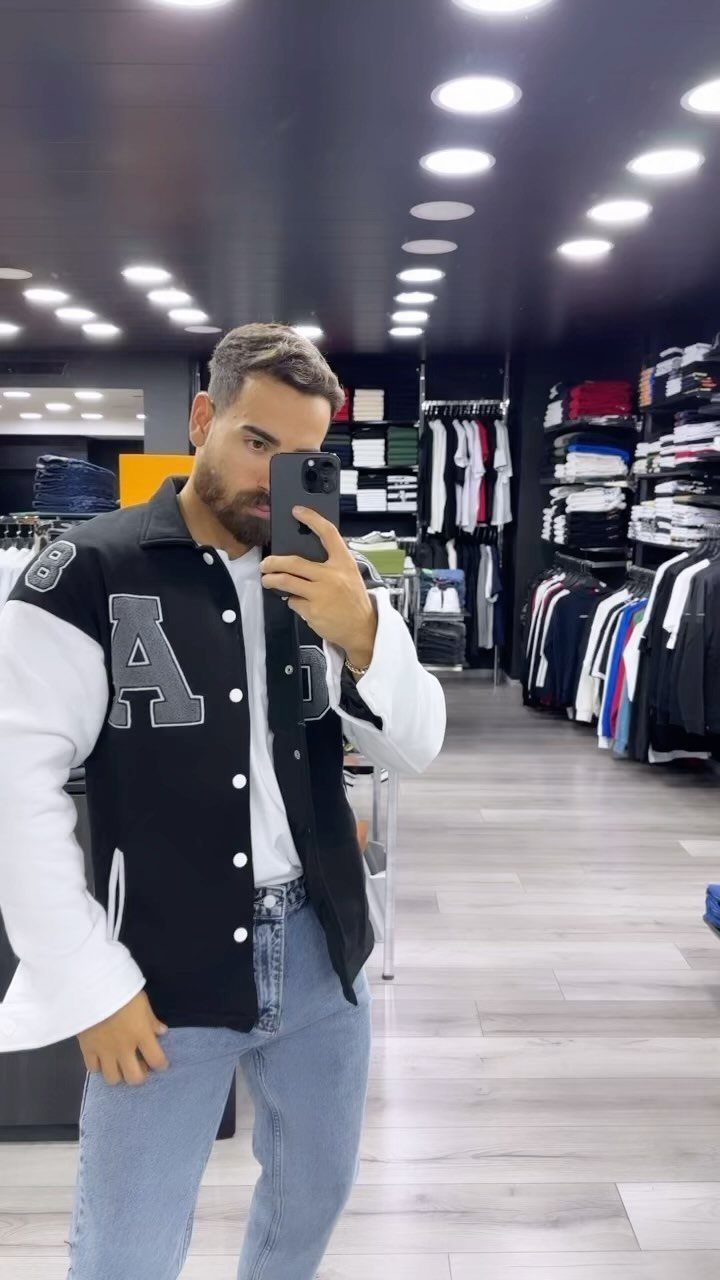
Black sleeves and a white body make a varsity jacket easy to wear, because the colors already match a white tee and light blue jeans. Leave the jacket open and let the shirt show.
A big chest letter is plenty of detail, so I’d keep everything else plain. Straight or slightly loose jeans suit it better than skinny ones.
Sneakers in white or black finish the look.
8. Checkered Shirt Flat Lay
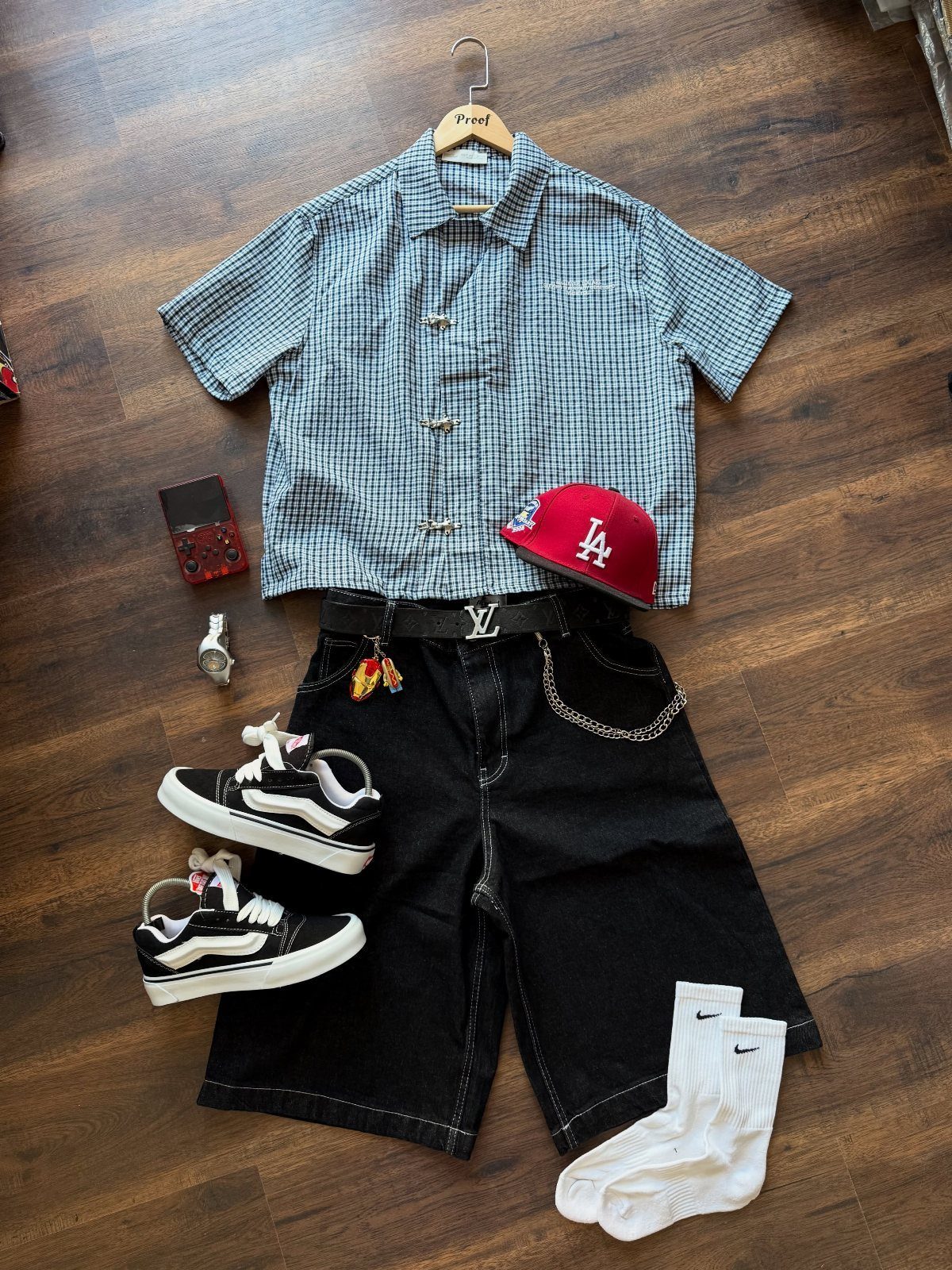
Blue checks, a red cap and black bottoms: 3 colors are enough for a flat lay, and they’re enough on a body too. Black denim shorts, called jorts, keep the checkered shirt from looking like office wear.
Wear the shirt short-sleeved and open or buttoned, depending on the day. Let the cap be the only red.
Black sneakers with white socks link dark bottoms to a checkered shirt, because the white picks up the light squares and the black grounds the rest.
9. Wide-Leg Trousers and Henley
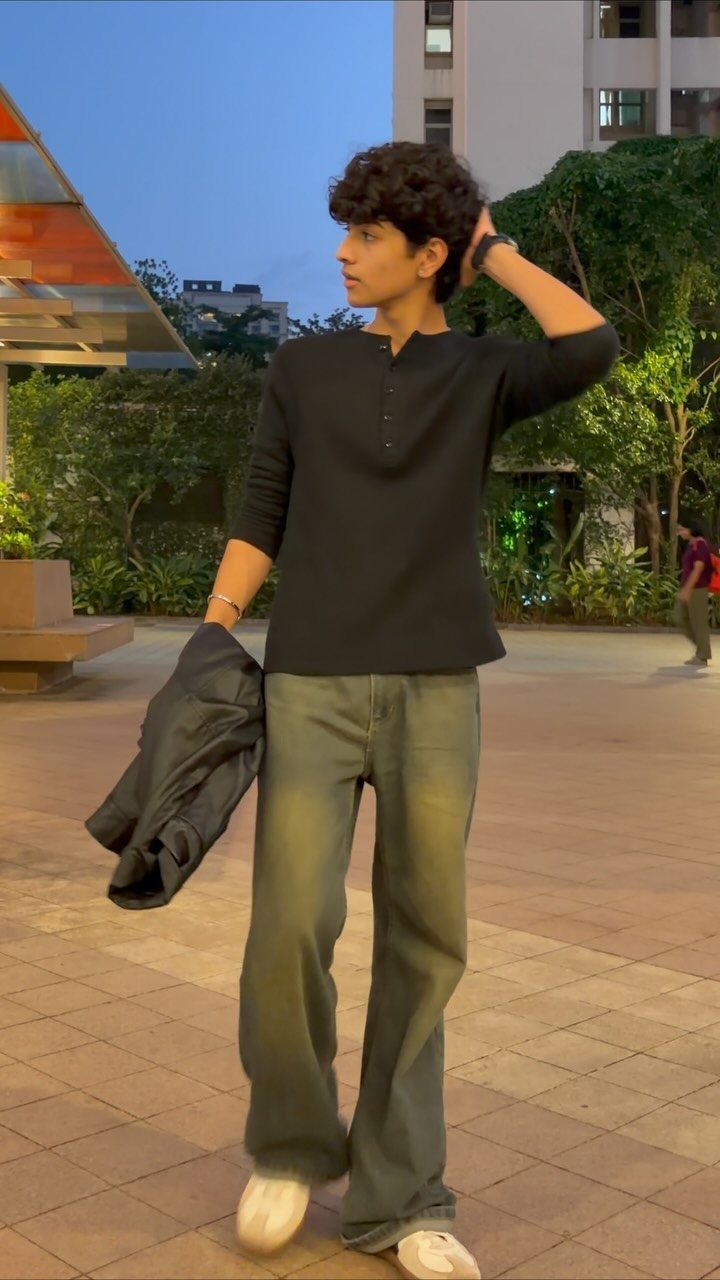
Olive wide-leg trousers do the heavy lifting, and a fitted black henley keeps everything above the belt tidy against all that fabric. Fitted on top, loose below: that contrast is the whole logic.
I’d choose a henley that skims the torso without clinging, since the trousers already supply the volume.
Sneakers suit the hem, and a dark jacket carried or worn adds a layer for cooler evenings.
10. Leather Jacket and Black Trousers
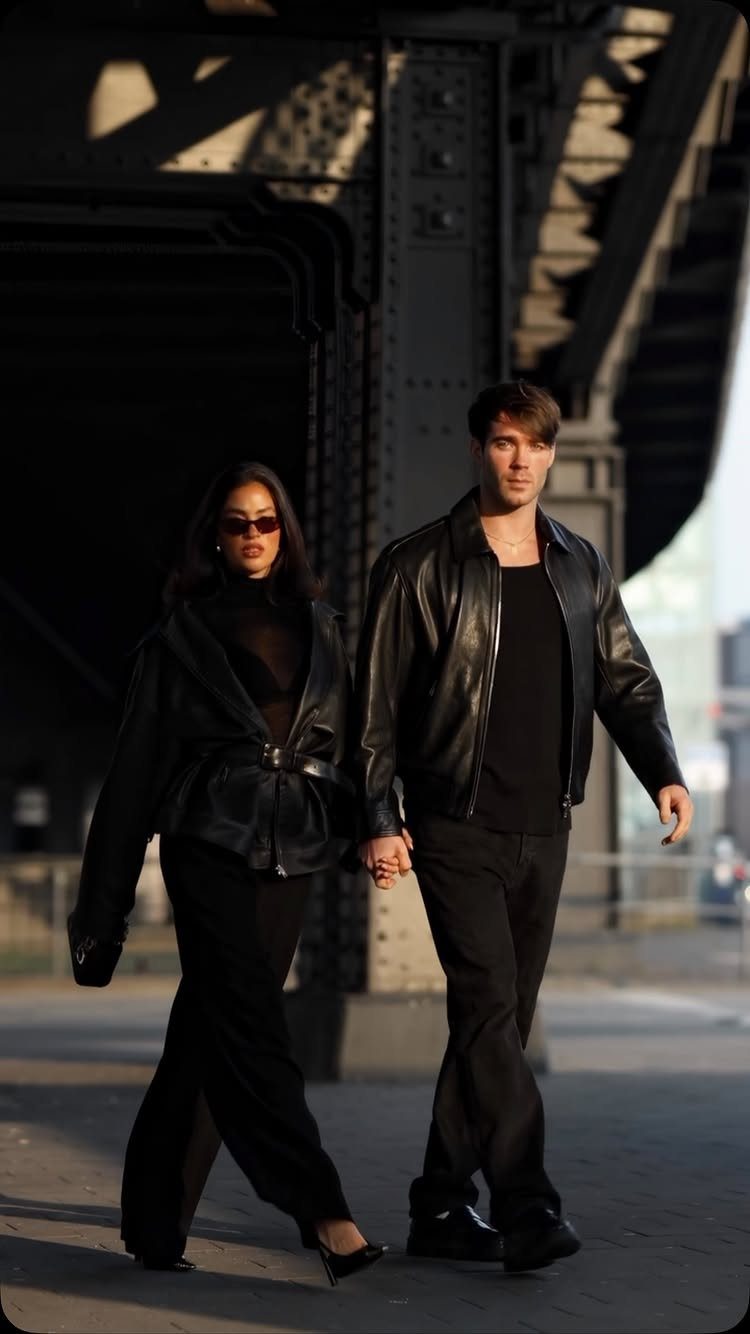
Two black leather jackets over black trousers prove the combination works on anyone, and it needs almost no planning. Because everything is one color, the leather’s texture becomes the detail.
Pick a jacket that ends at the waist or hip, and trousers that fall straight so the outfit stays narrow and sharp. Shoes should stay dark too.
The trade-off: all black looks severe in bright light, so a plain white tee underneath softens it.
11. Patterned Sweater and Wide-Leg Trousers
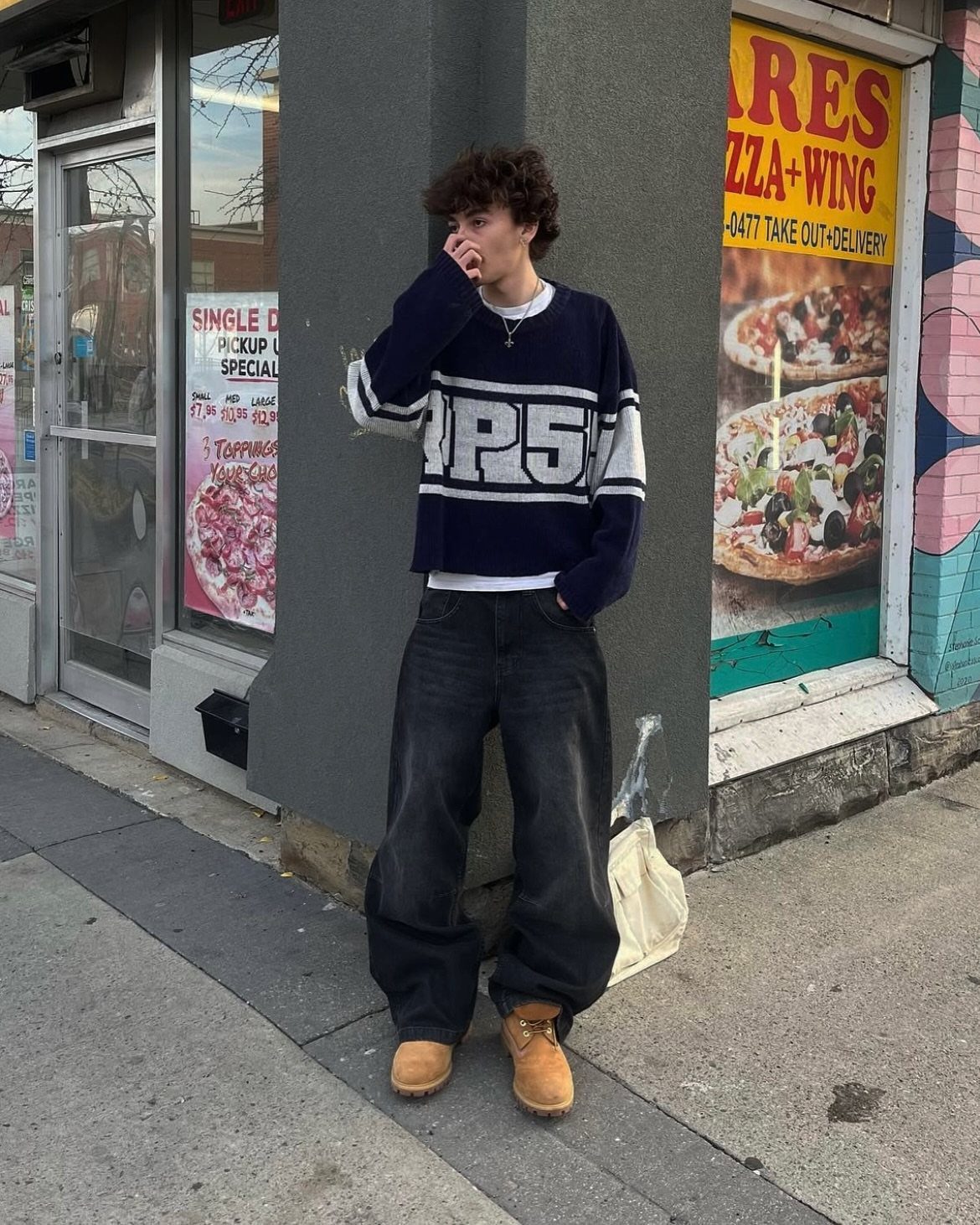
Chunky knit meets extremely baggy black jeans, and the cropped sweater shows a white tee layered underneath. That hem line is what keeps so much volume from swallowing you.
Choose a dark, busy pattern so the sweater reads as texture rather than a statement. Tan boots add warmth against the black and give the wide hems something solid to land on.
This suits cold days best, and I’d skip it if you run hot.
Styling Tips for Casual Streetwear
Start with one base piece, most often a plain white or black crewneck T-shirt, and let the jackets, flannels and overshirts change on top of it. Outfits built this way stop looking random, and getting dressed gets faster.
2 combinations are worth keeping on hand.
A denim jacket over a graphic tee is a classic that looks easy. Pair bulky sneakers with pants that have a clean, tailored taper, and you get all the comfort of a sneaker with none of the slouch.
Mix light and dark so the eye has somewhere to travel: a pale layer over a dark base, or the reverse.
Then change the texture, such as denim against cotton or knit against smooth fabric, so a simple palette still has depth.
Layer in thin steps, and change one layer at a time when you experiment.
Choosing the Right Fit
Fit is where casual streetwear either works or falls flat, and you don’t have to chase trends to get it right. Aim for balance: relaxed, but with a clear shape.
Start at the shoulders.
The seam should land at the edge of your shoulder bone, which keeps a loose tee looking modern instead of borrowed. If the shirt sits too high, it feels off.
Check length next. A hem that runs too long sags past what looks intentional, so stop around the hip or a bit below.
Make sure you can lift your arms and sit down without the fabric pulling. Relaxed means free movement, not extra fabric everywhere.
Seasonal Adaptations
Casual streetwear should change with the weather, and the simplest approach is a season switch. Once it gets hot, the T-shirt can stand alone, paired with lightweight shorts or linen pants that let air through.
When the temperature drops, slide a thin thermal or waffle-knit shirt with full sleeves underneath, or throw a hoodie over the top.
Lightweight jackets, cardigans and kimono-style cover-ups add a layered look without overheating you, and they come off easily when the day warms up.
Choose fabrics by temperature: breathable for summer, warmer for winter. Keep the base tee the same all year, and let the outer layer do the seasonal work.
Frequently Asked Questions
What are some good casual outfits?
A graphic hoodie in grey with baggy black pants and bulky sneakers is about as easy as it gets.
Stay inside one color family and a pale denim jacket works over a cream hoodie and light jeans, because nothing in the stack fights for attention.
Both rely on one loud piece and quiet everything else, so they look planned without much effort.
What is the difference between streetwear and casual wear?
Streetwear draws on music, skate and sneaker culture and wants to be noticed; casual wear just wants to be easy to throw on and hard to get wrong.
The two overlap more than people admit: a basic crewneck and jeans reads casual, while a heavy graphic hoodie with baggy pants and chunky sneakers pushes into streetwear. I’d say the dividing line is how much attitude the pieces carry.