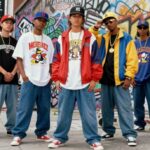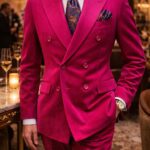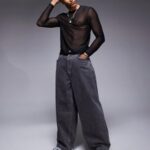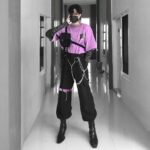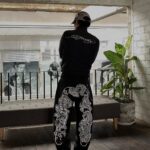
Where you’re wearing it decides which of these looks is yours: distressed jeans, white-on-white and distressed boots suit weekends, dates and events, while a plain navy baseball cap or a suede jacket over a sharp, simple outfit is the version that survives an office.
Most of these looks need a single standout item, and everything around it stays quiet.
1. Distressed Jeans
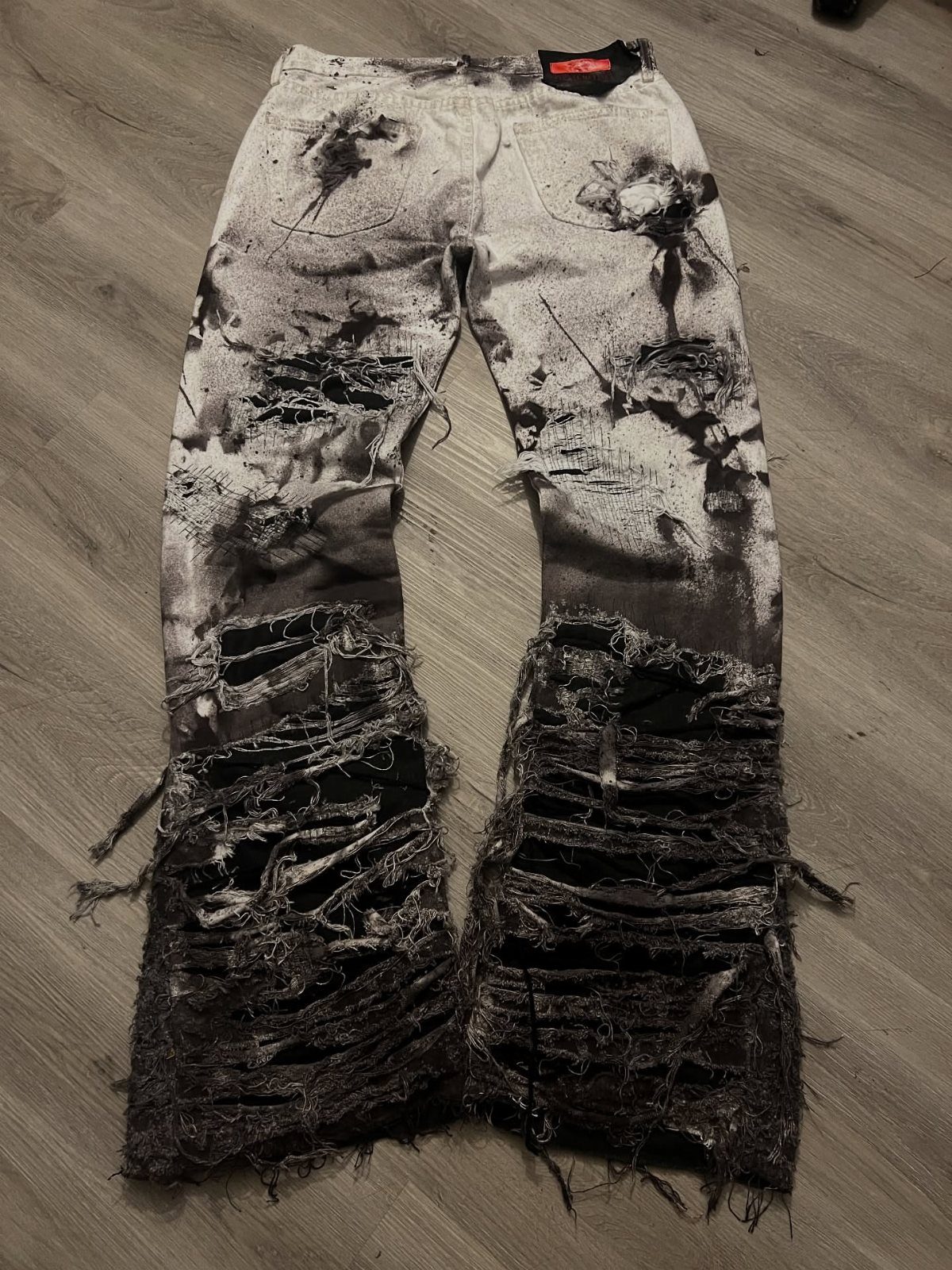
Rips this large work best when everything else stays plain. A solid tee or a plain crewneck lets the denim do all the talking, and a light wash makes the fraying easy to spot from a distance.
Heavily torn jeans catch on things and let in wind, so I’d save them for casual days, not the office.
If the holes feel like too much, pick a pair with smaller breaks at the knee and wear the same plain top.
2. Short Shorts
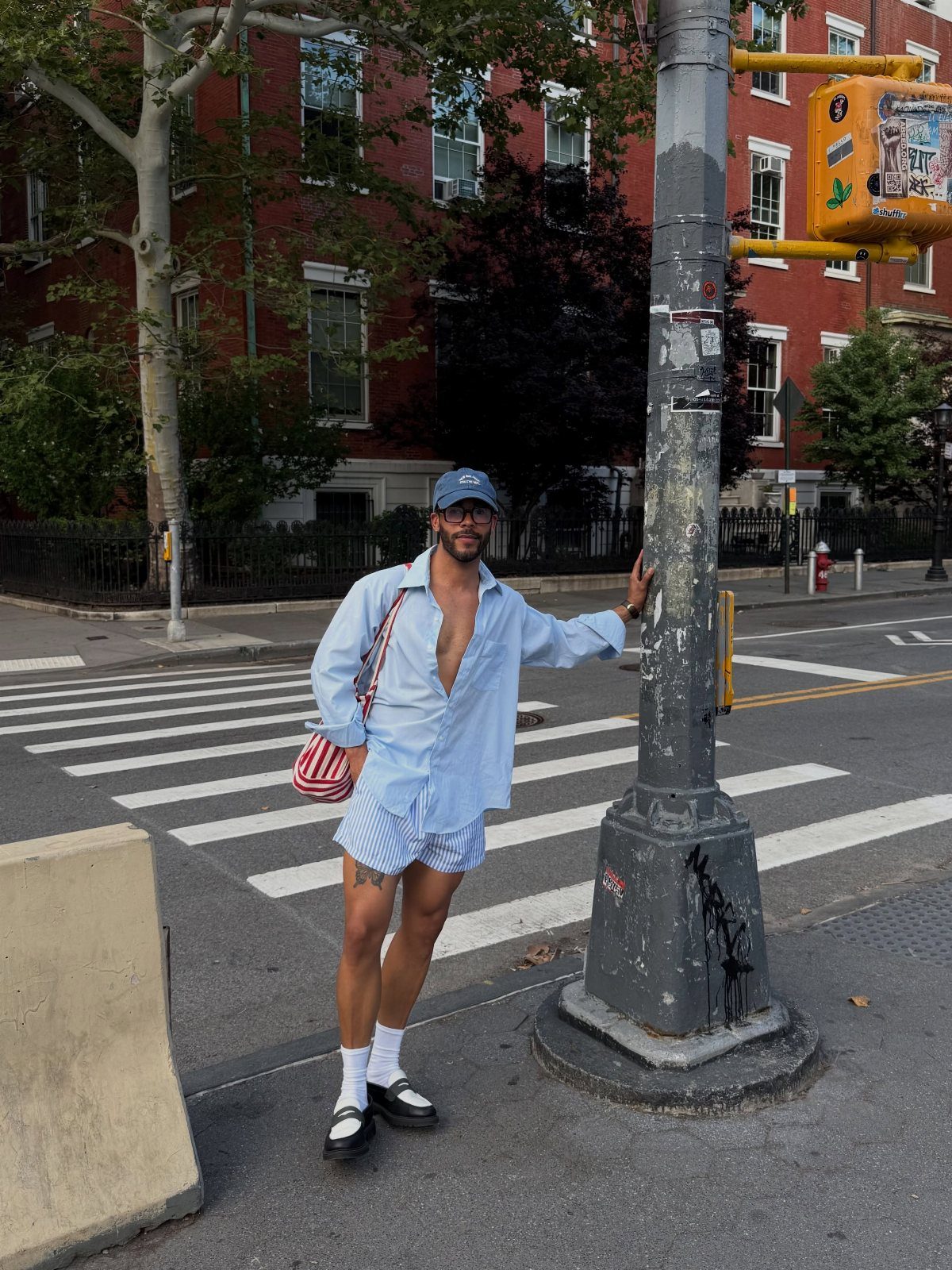
Short shorts ask for restraint everywhere else. Loose, simple layers work best up top, like an open button-up over a plain base, so the legs get all the attention.
Loafers with white socks look deliberate instead of beachy, and that pairing is what I’d reach for with short shorts. Stripes or a single solid color both work; skip loud prints so the length is the whole statement.
Skip them for work. For dates and weekends, a cap finishes the outfit.
3. Knee-skimming Shorts
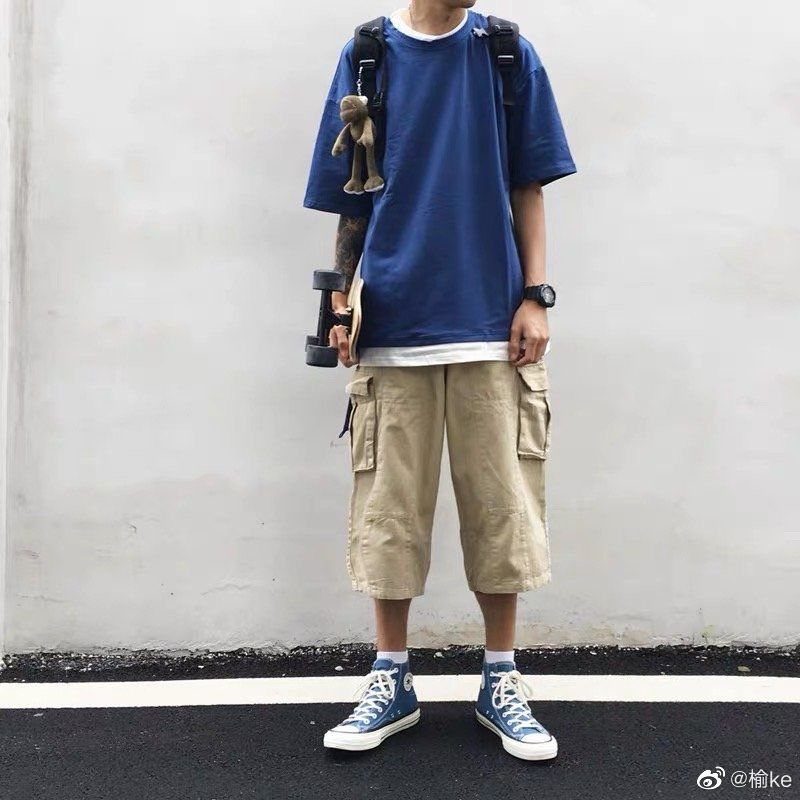
A hem at the knee is the easiest way into shorts if the shorter cuts feel like too much.
Sneakers with some height, like high-tops, balance the extra fabric around the thigh and stop the legs from looking stubby. Add a backpack and you are ready for a full day out, no planning needed.
4. Cuban Collars
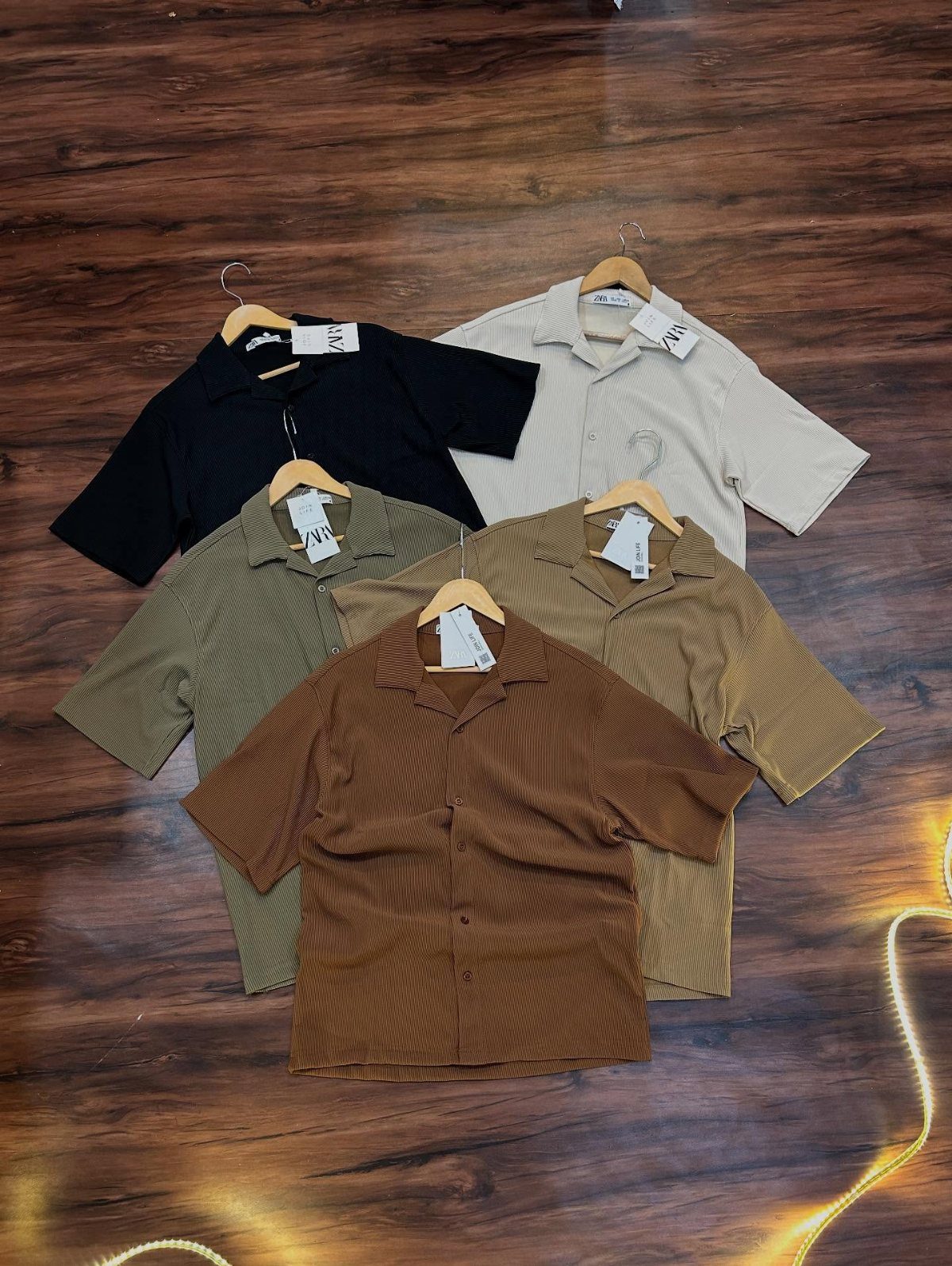
A Cuban collar is flat and open, with no button at the neck, so it sits relaxed on its own. That alone makes a short-sleeved shirt look like a decision instead of a default.
Any of them pairs with plain trousers or shorts, and I would buy 2 neutrals before trying a print. Wear it untucked and let the collar lie open over a plain tee for a cooler look.
5. Layering Different Shades of Grey
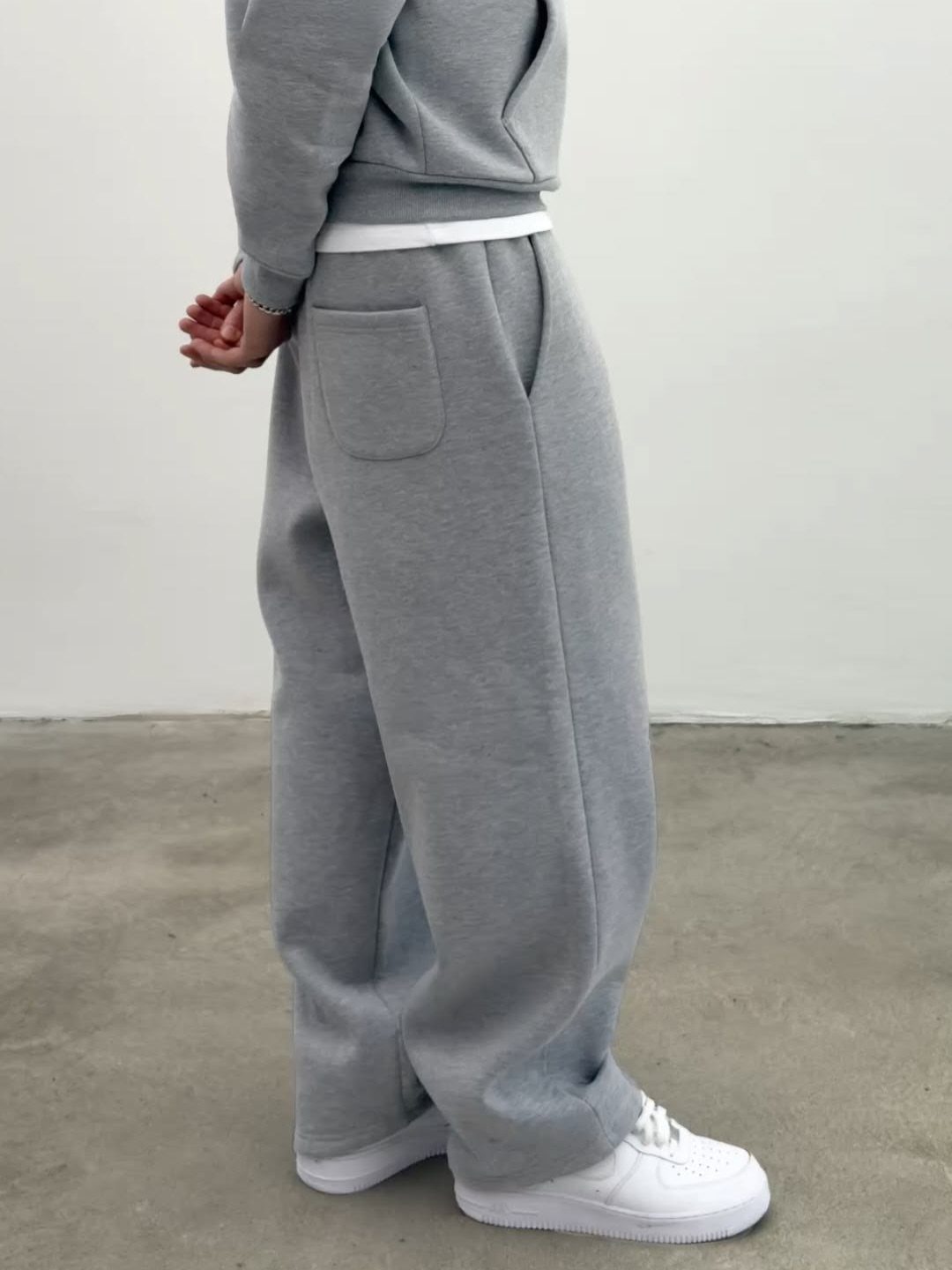
Grey on grey works because the shades do the contrast for you. A heather sweatshirt over wide sweatpants in a slightly different tone looks planned, and a white undershirt showing at the hem gives the outfit a clean break.
White sneakers finish it. Keep the fit loose on top and bottom, but vary the shades by at least one step, since two near-identical greys look like a mismatched set.
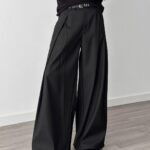
6. Baggy Trousers
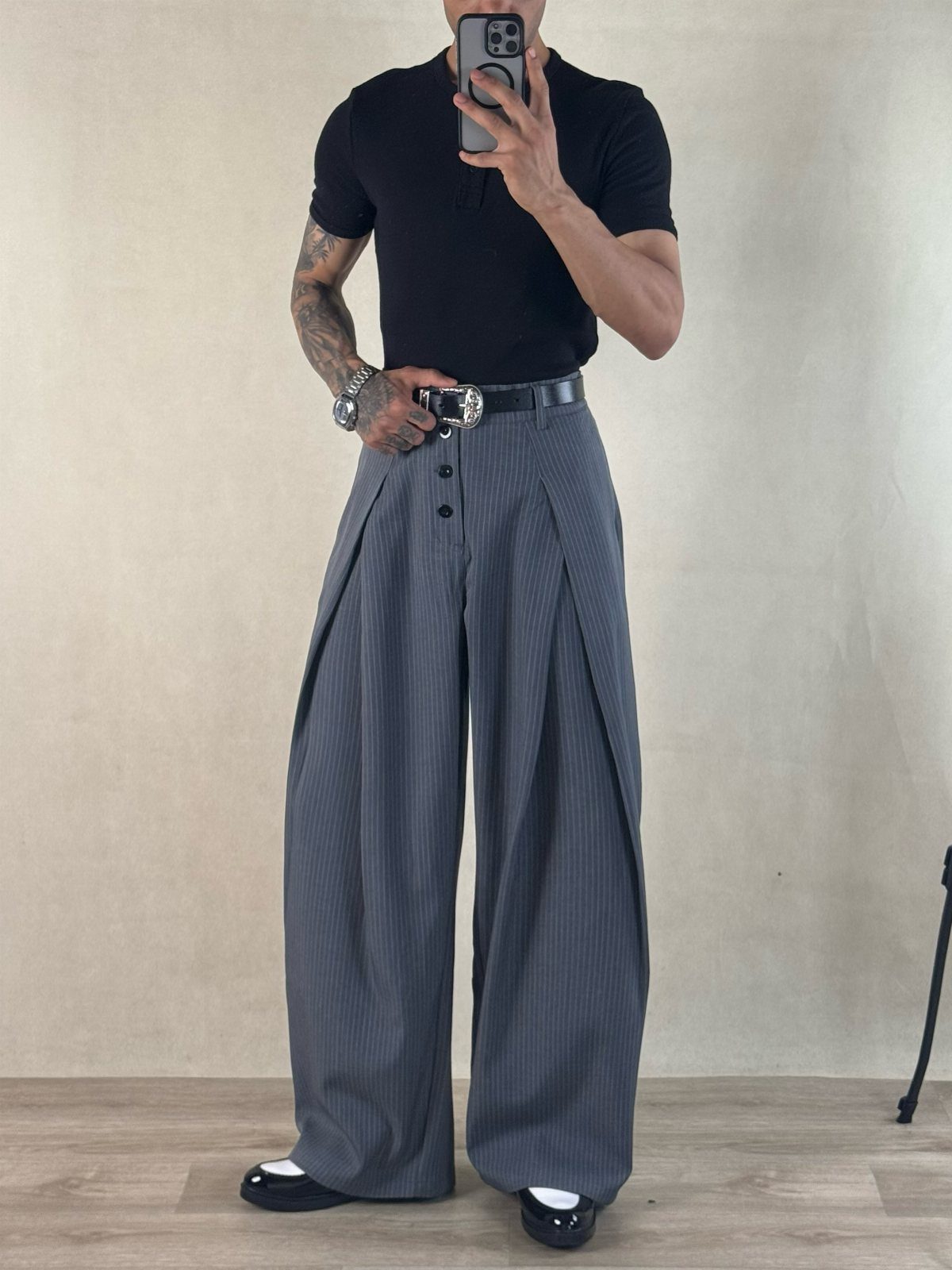
Big pleats and a wide leg make pinstriped trousers the main event, so a plain tee or knit on top is all they need.
A black henley tucked in under a black belt gives the waist a clear line, and that is what stops the volume from swallowing you.
Fit at the waist first; the leg can run loose.
Taller guys carry this width most easily, while shorter men should check that the hem doesn’t pool on the shoe.
7. Baseball Caps
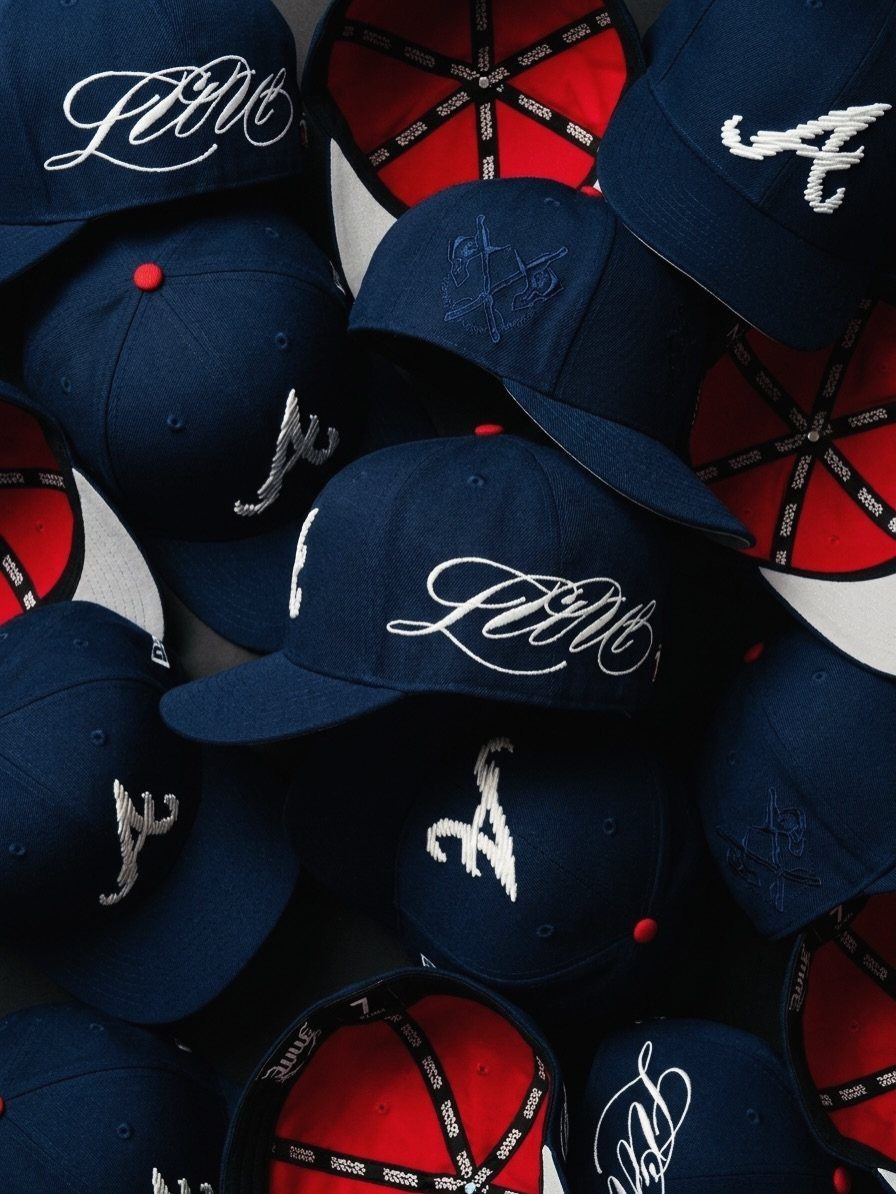
The two colors read clean against almost any jacket, tee or hoodie, so you can wear one without planning the rest.
Script lettering suits a casual look, while a single letter logo feels a little sportier. I’d buy one navy cap before trying a loud color.
Weekends and dates are the right fit; skip it at the office.
8. Suede Jackets
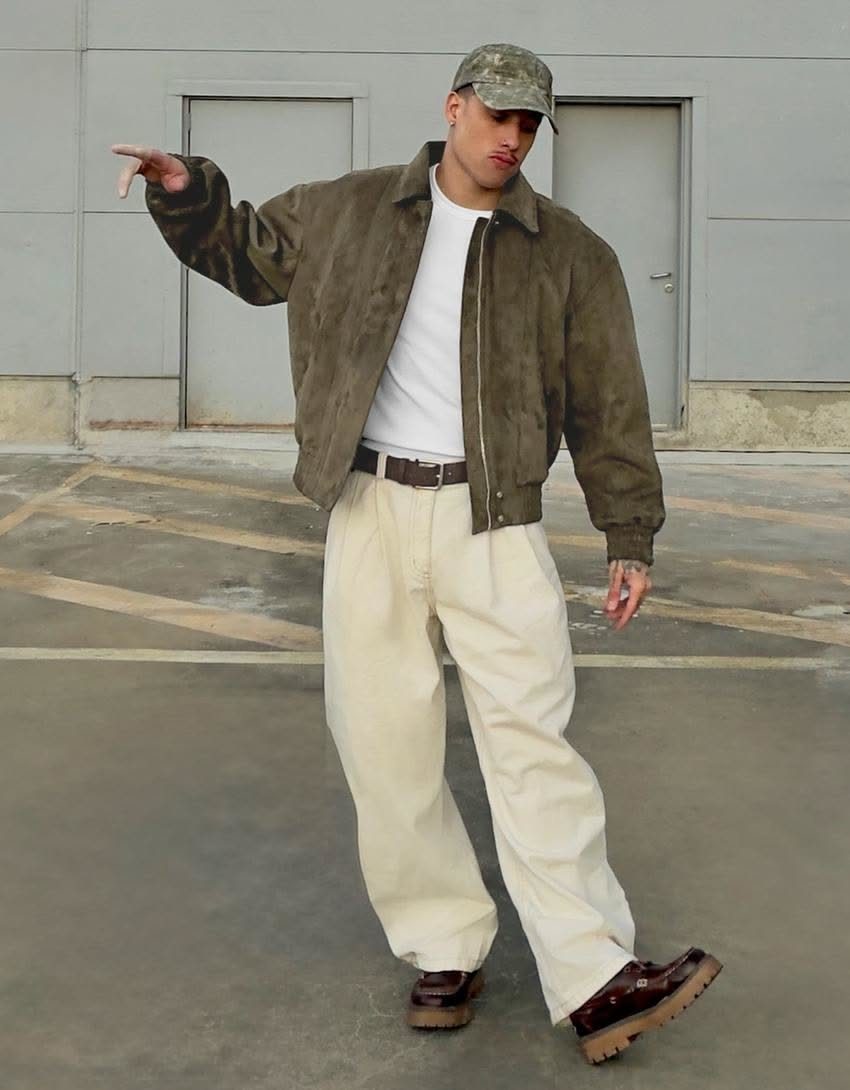
A suede jacket worn over a white tee turns a plain summer outfit into something with texture. Brown or olive both sit well against cream trousers, and a brown belt ties the jacket to the rest.
Keep the layers underneath simple, since the soft surface of the suede is already the detail. A cap adds a casual note if the jacket feels too dressed up.
Pick a loose, relaxed cut, and let the trousers run roomy to match.
9. Combining White Pieces
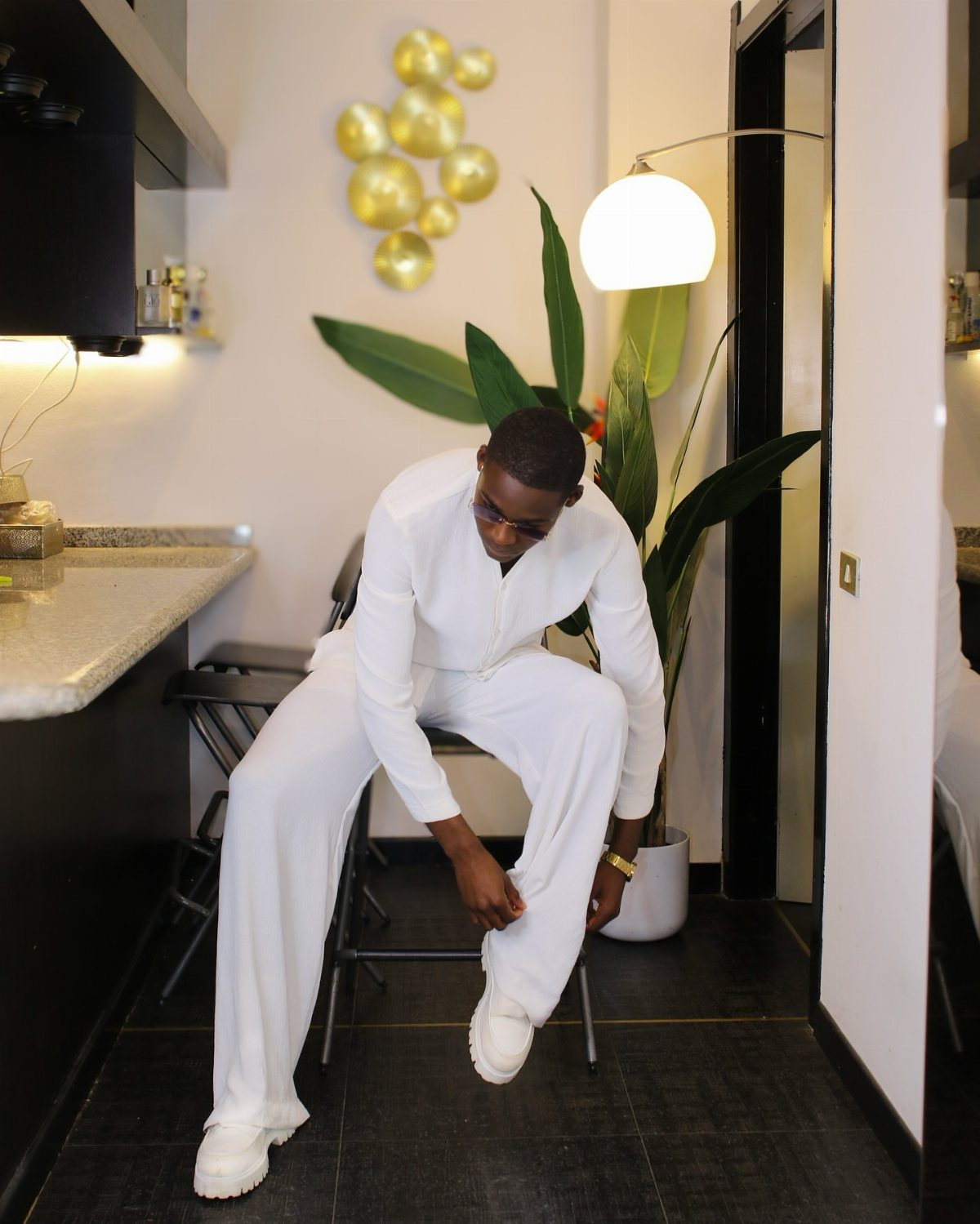
Head-to-toe white works when the whites are not identical. A shirt, trousers and sneakers each in a slightly different tone look layered, and one stark pair of shoes can anchor the whole thing.
Keep the cuts loose and simple so the color is the only statement. Plain fabrics hold up better than busy ones.
White shows every mark, so I’d save this for dates and events, not a commute.
10. Boots with Distressed Materials
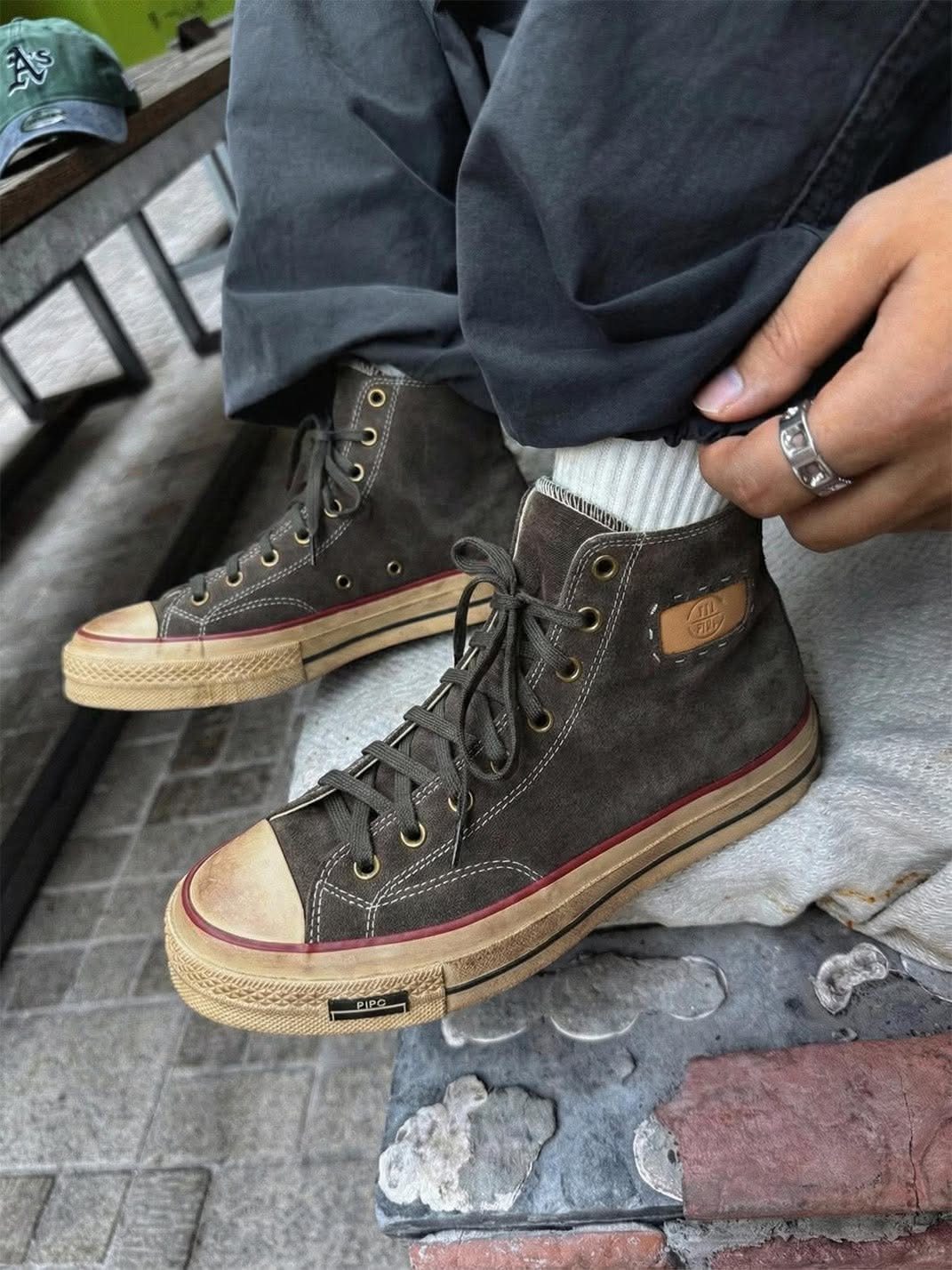
Worn-in brown with weathered soles and frayed edges looks better the more beaten up it gets, so there’s no need to baby them.
White socks showing at the ankle add a bright break between shoe and hem. Keep the trousers slim or straight so the shoes stay the focus.
Distressed footwear is a casual choice, and I’d leave it out of the office.
11. Bandanas
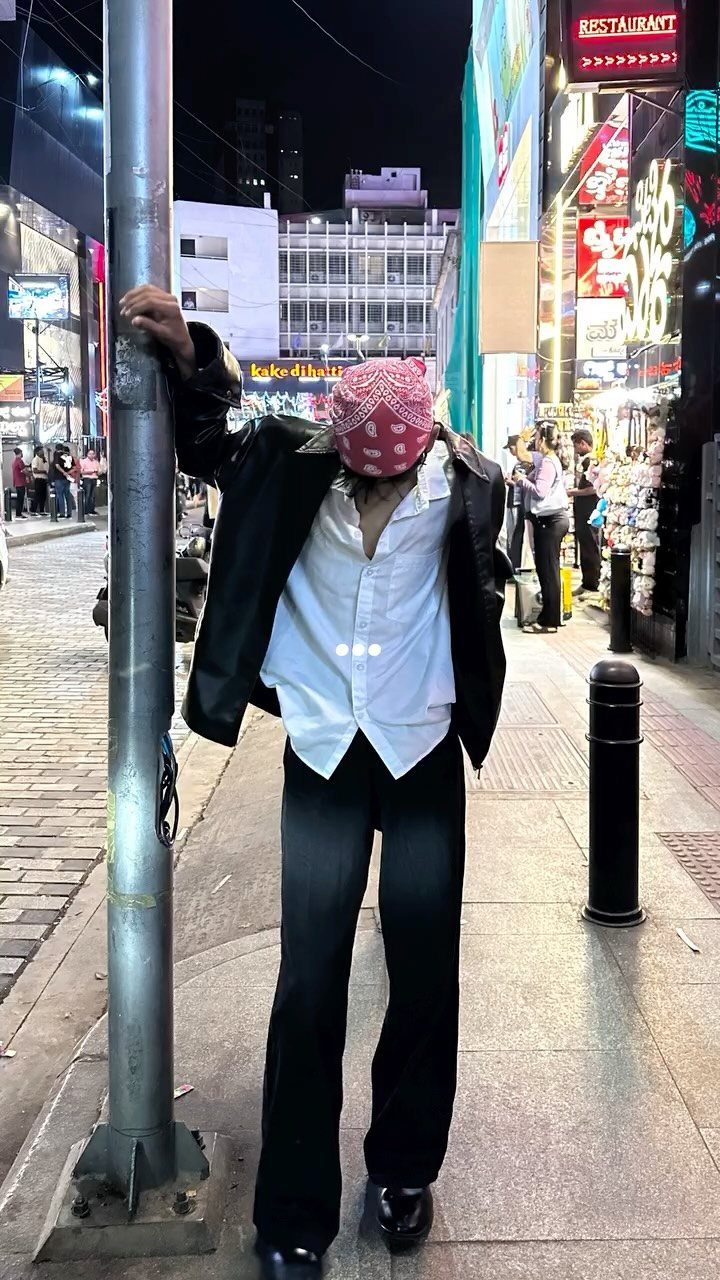
A pink patterned bandana worn over the head gives a dark outfit its one bright spot. Against a black blazer and black trousers, it stands out without much effort.
Let the bandana be the only loud piece: a plain white shirt underneath and quiet colors elsewhere let the pattern do the work. Fold it flat and tie it snugly so it stays put.
It’s a night-out accessory, easy to add or drop, and cheap to try.
Mixing Colors and Patterns
Greens and greys sit close enough on the color wheel that they rarely fight. Pair an olive or forest green with charcoal or a light heather, and the outfit reads as sophisticated without much effort.
Keep one piece patterned and the rest solid. A green check shirt under a plain grey jacket works, while a striped shirt under a plaid jacket usually looks cluttered.
If you want two patterns, make them different in scale: one wide, one fine. Muted greens like moss or sage are easier to wear than bright ones, and they go with most denim.
Layering Techniques
Texture does the work that color would otherwise do. Grey is the best base for this because a knit, a flannel and a smooth cotton in the same family all look distinct without clashing.
Start with a thin layer against the skin, add a mid layer with some weave or pattern, and finish with the heaviest piece on top.
Each layer should show a little at the collar or hem so the depth is visible.
Limit yourself to one pattern per outfit and let the other layers stay plain. 3 layers is plenty for everyday wear; a fourth adds bulk and makes the fit harder to control.
Casual Vs. Formal Styles
A cap or backpack reads casual or formal depending on what surrounds it. Clean, plain versions in dark neutrals like navy, black or grey look intentional next to tailored pieces.
For a dressier setting, choose a leather or smooth nylon backpack with no loud logos, and a cap with no graphics.
Wear them with a sharp coat or a well-fitted overcoat, so the sportier piece becomes the relaxed note instead of carrying the look on its own.
Beat-up canvas or a bright logo cap pulls the outfit back to casual, which is fine for weekends. If you’re unsure, pick the plainer version.
Frequently Asked Questions
How do you dress up like 2016?
Start with a few pieces from that year: ripped light-wash jeans, a Cuban-collar shirt worn untucked, or baggy pinstriped trousers with a plain tee.
Let the one statement piece carry the outfit, and put plain basics around it so nothing competes. A navy baseball cap or a bandana adds a finishing touch for weekends and nights out.
What were the major menswear trends in 2016?
Baggy trousers, Cuban collars and distressed jeans led the way. Short shorts, knee-length shorts, suede jackets and head-to-toe white outfits were also common.
Grey-on-grey layering and baseball caps rounded out the look. Most of these work best with plain pieces around them, so the trend item stands out.
What are some different clothing aesthetics for men?
The 2016 look is one clear example: relaxed, oversized and a little worn-in, built around pieces like distressed denim, wide trousers and Cuban-collar shirts.
It leans on texture, tonal layering such as several shades of grey, and one loud accessory like a patterned bandana.
Casual and formal styling is another split: dark neutral caps and leather backpacks look dressier, while beat-up canvas pulls an outfit casual.
What is the 3-3-3 rule for men?
I can’t tie that rule to 2016 style, but the closest guidance is to limit layers: 3 layers is plenty for everyday wear. Add a fourth layer and the bulk starts to fight your shoulders and waist.