Which brand suits you depends on how loud you want the clothes to be and how much effort you’ll put into tracking them down.
The range runs from a quiet Greedy Unit sweatshirt to an orange Hellstar set worn head to toe, and most small labels price at $25 to $80.
1. Denim Tears
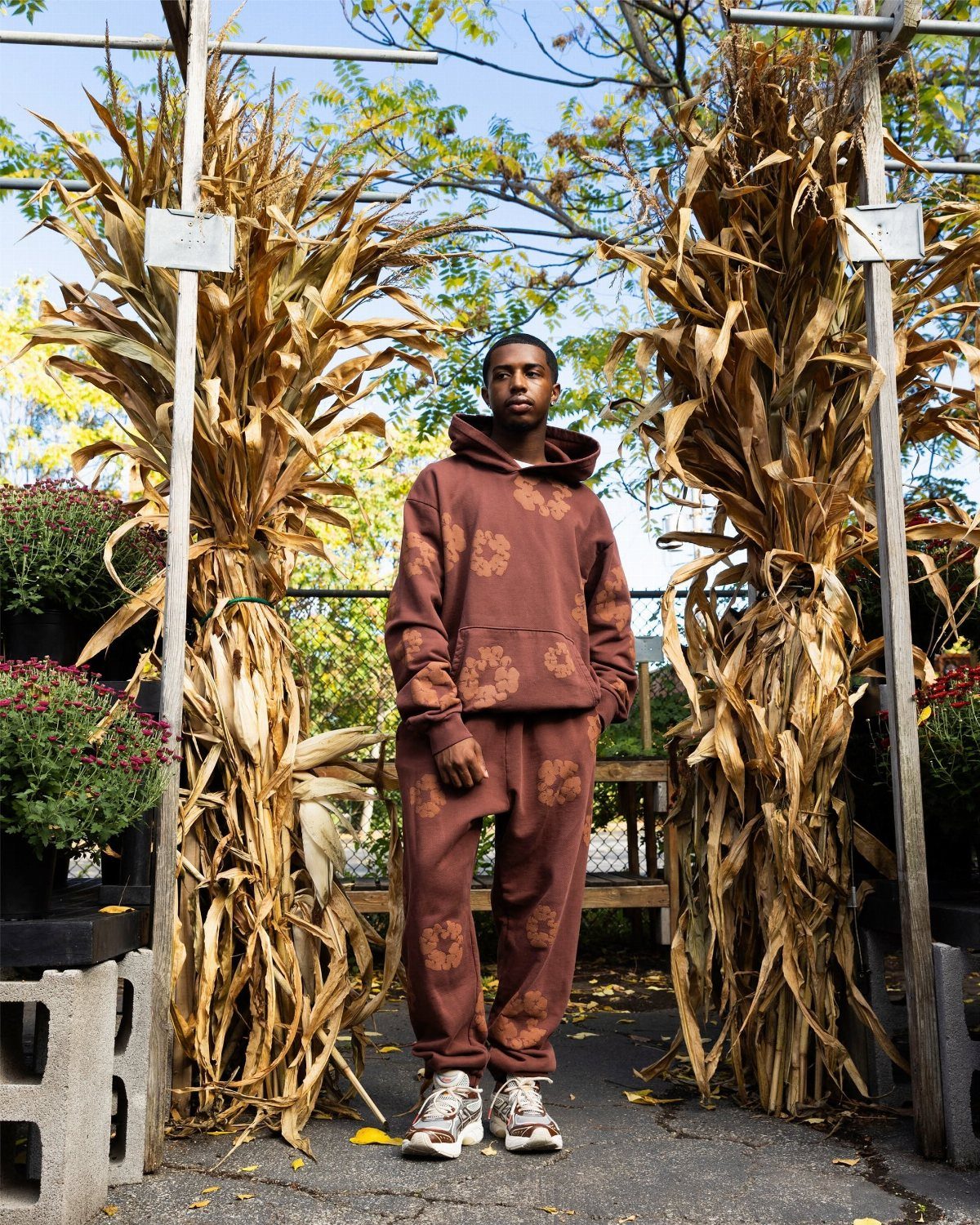
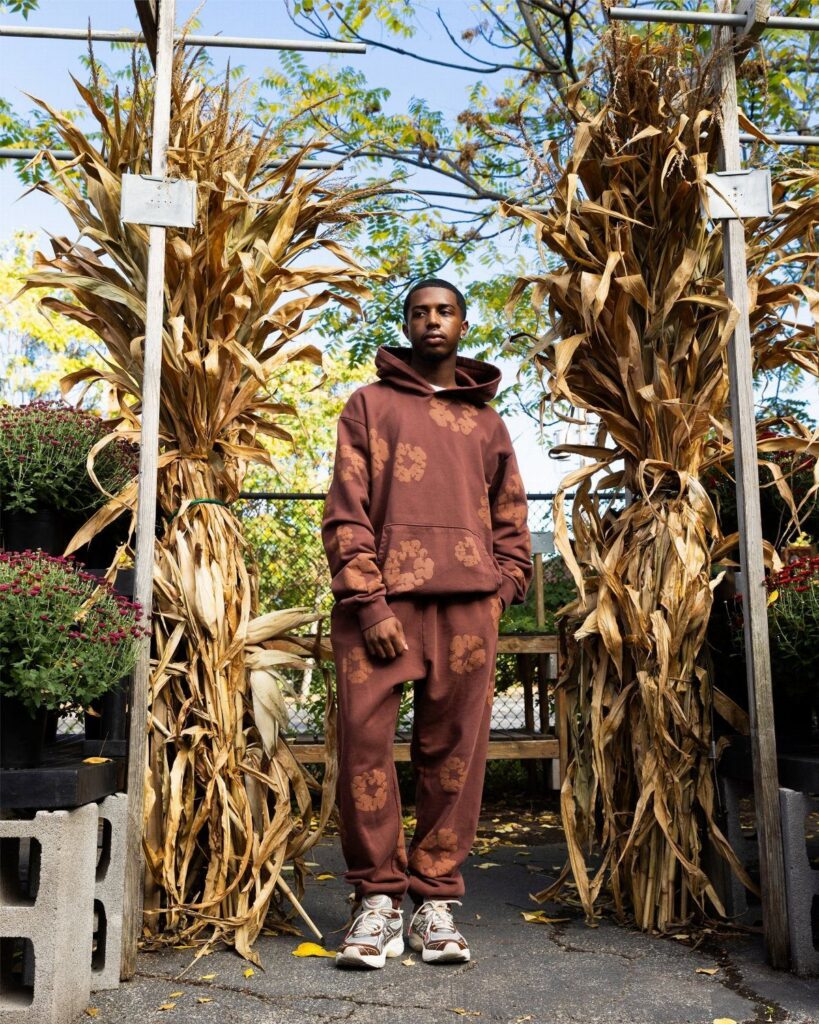
A matching set gets you dressed with a single decision, and a brown hooded sweatshirt with sweatpants in a floral cotton wreath print proves it.
The print does the talking, so everything else stays plain: clean sneakers, no extra logos, no second pattern.
Tremaine Emory is the name behind the label. A set like this works best on a relaxed day, when you want something that looks planned without trying hard.
2. Palace Skateboards
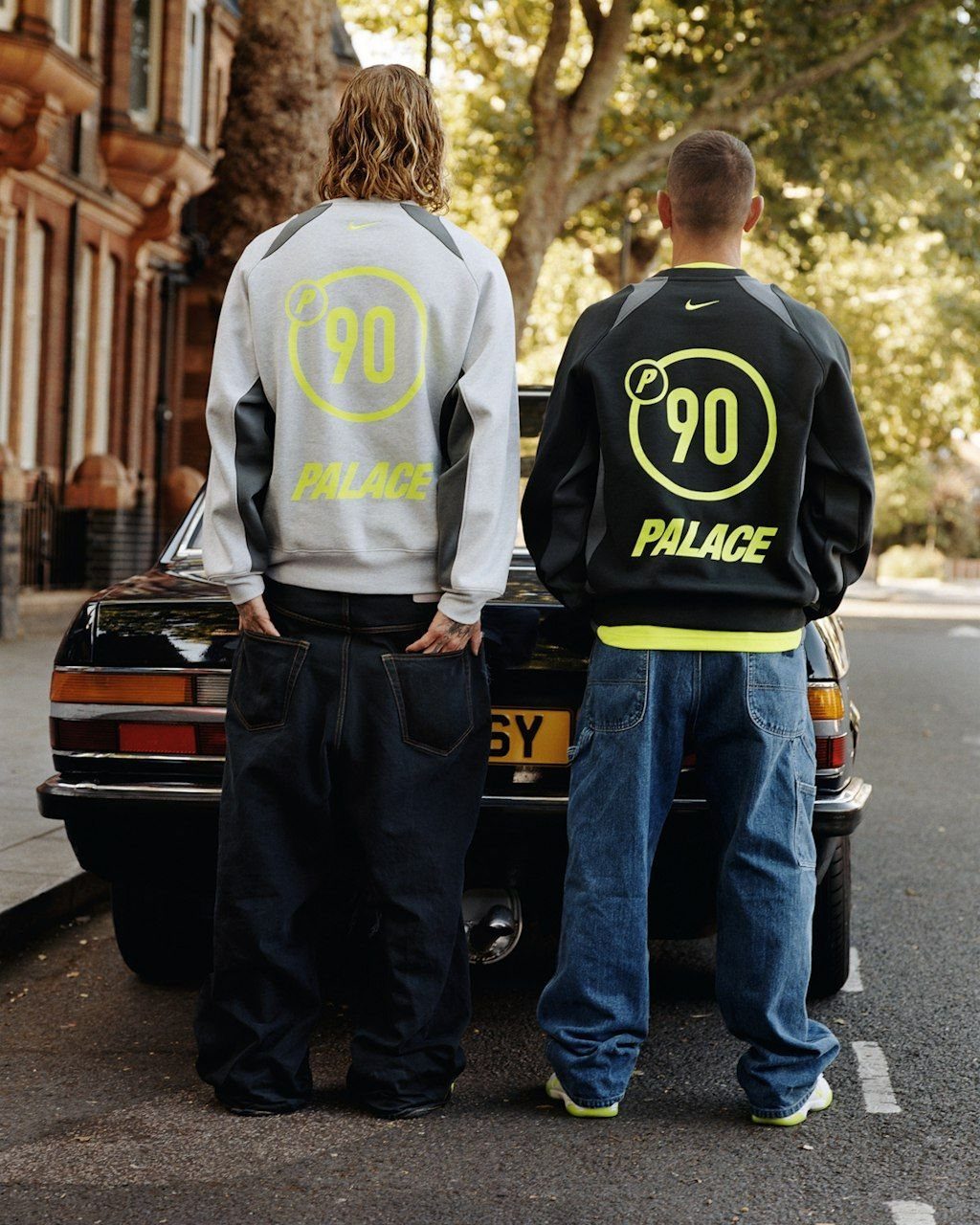
Baggy jeans with a printed sweatshirt is the Palace formula, and the "P 90 PALACE" back print shows why it works: the graphic sits where people see you leave, so the front can stay quiet.
I’d pick a loose, straight-leg pair of jeans and let them stack a little over the shoes.
Palace is a skate brand with a rebellious attitude, and the look should feel easy rather than styled. Buying it new costs real money, so one sweatshirt and a good pair of jeans is a fair start.
3. 90s-inspired Apparel
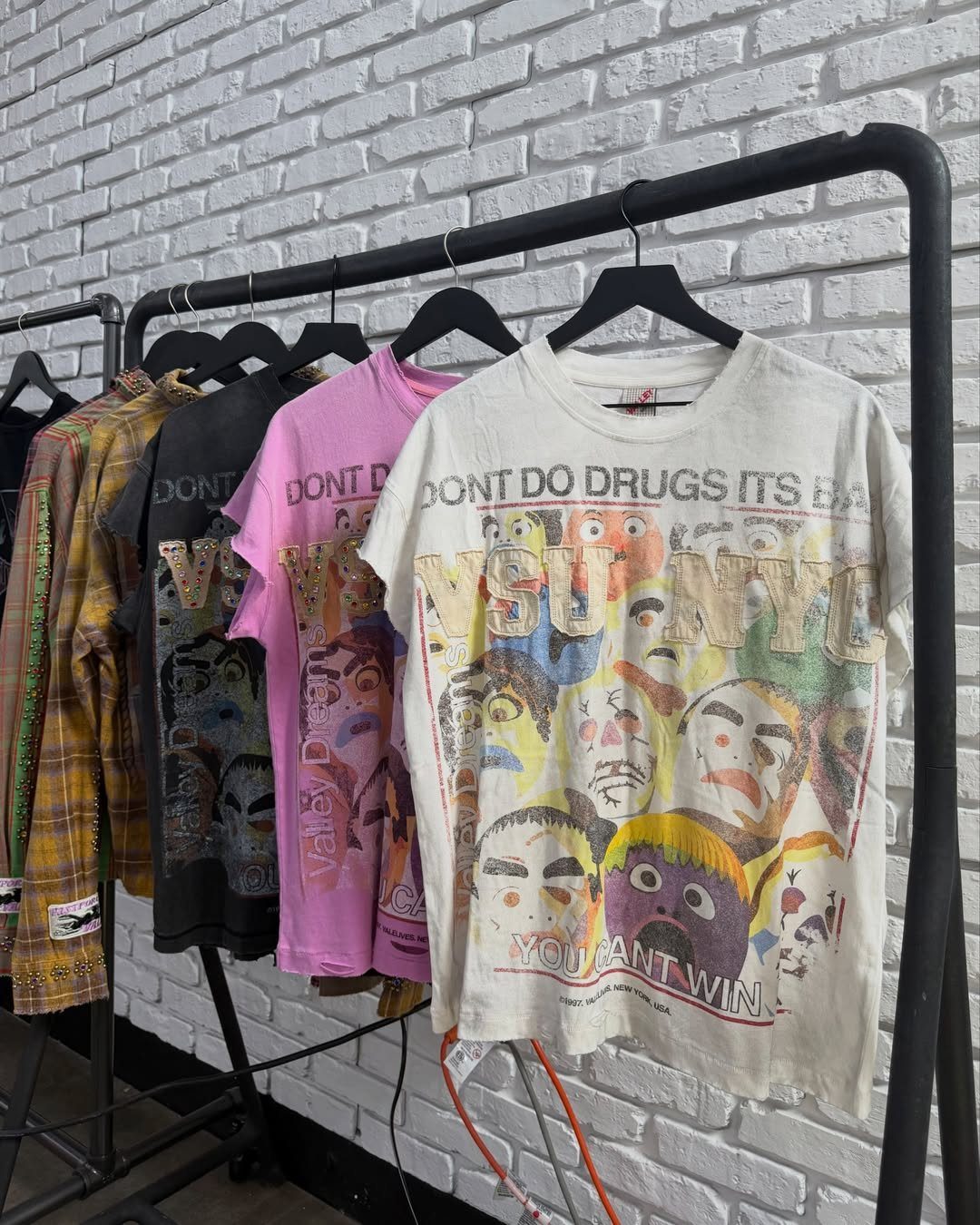
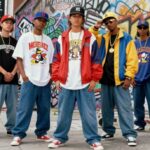
Nineties-inspired apparel starts with the graphic tee, and slogan shirts like "DONT DO DRUGS ITS BAD" and "YOU CANT WIN" set the tone: blunt, a little sarcastic, and nothing like a clean logo.
Pair one with flannel tied or worn open, plain jeans and old sneakers.
Pick one loud shirt per outfit and let the pants, shoes and jacket stay quiet. This is also the cheapest route on the list, since racks like this are where budget shopping pays off.
4. Hellstar
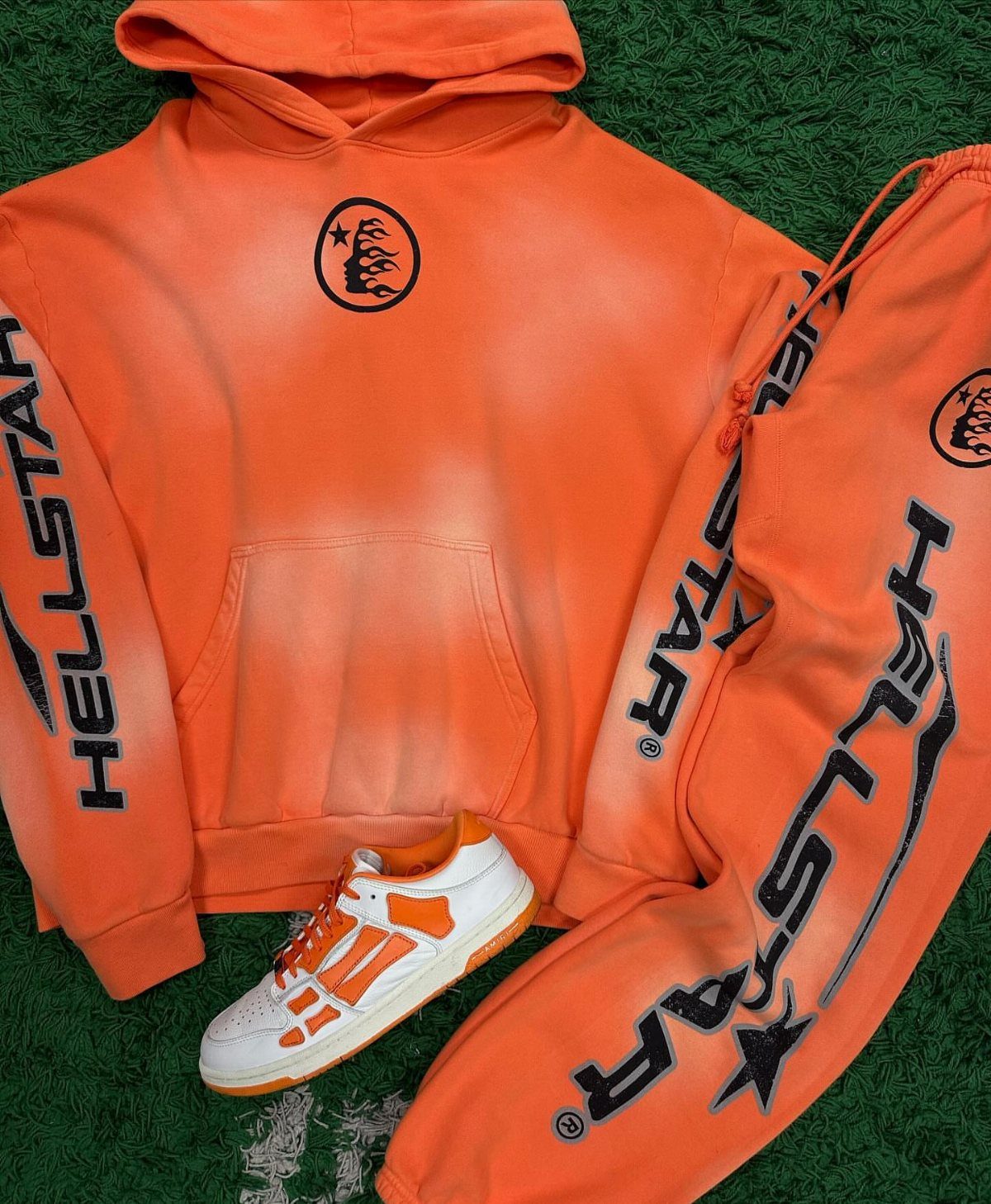
Orange does most of the work in a Hellstar set.
Sean "Seanie" Holland and Joseph "Juice" Pendleton founded the label, and its momentum comes from viral moments and big endorsements.
I’d wear the set head to toe, keep accessories minimal, and accept that a color this bright is not a low-key choice.
5. FTP
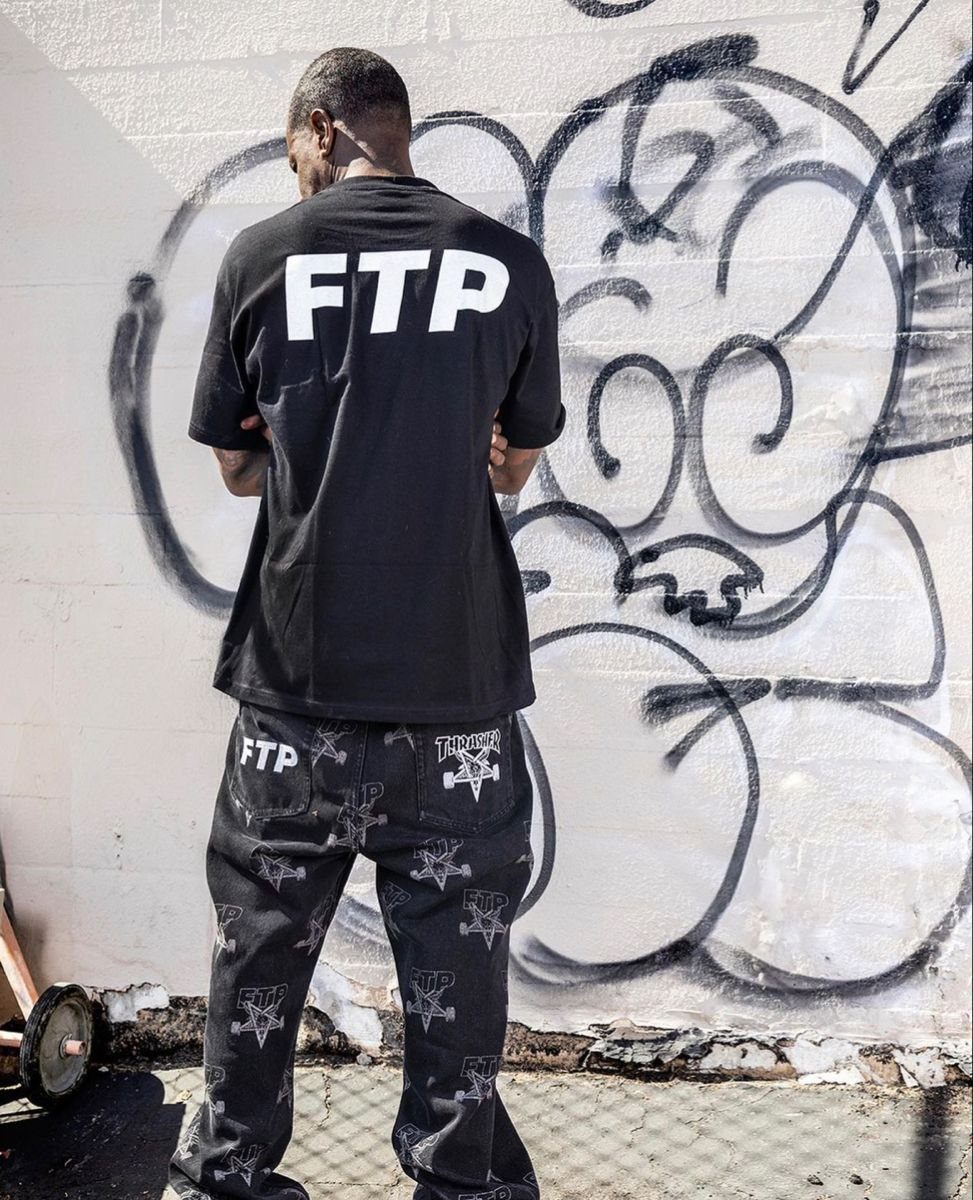
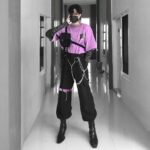
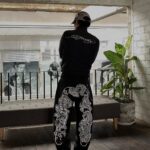
FTP is the pick if you want a graphic that says something. A black tee printed "FTP" over black patterned jeans keeps the look to one color and lets the pants add texture without anything extra.
The brand is exclusive and known for provocative designs, so expect limited availability and a louder reaction than a plain tee gets.
Wear it all in black for the strongest version. For work or dinner with family, I’d save it for another day.
6. Greedy Unit
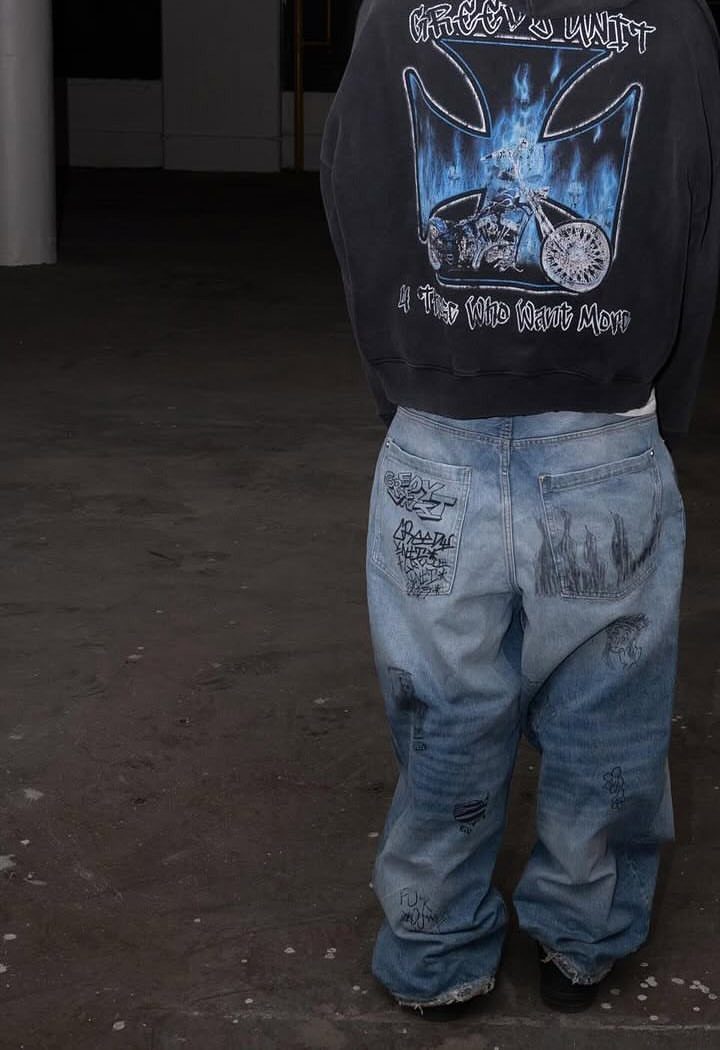
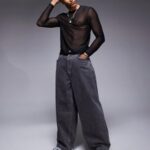
Greedy Unit brings Dominican heritage into streetwear, and a dark graphic sweatshirt over baggy printed denim is a strong way to wear it. Let the denim carry the pattern and keep the top dark so the two don’t fight.
I like this for readers who want a label with a cultural story behind it rather than a hype drop.
Add plain sneakers and let the jeans break over them. It’s a small-label choice, so expect to look a bit harder to find pieces.
7. Taller De Rafa
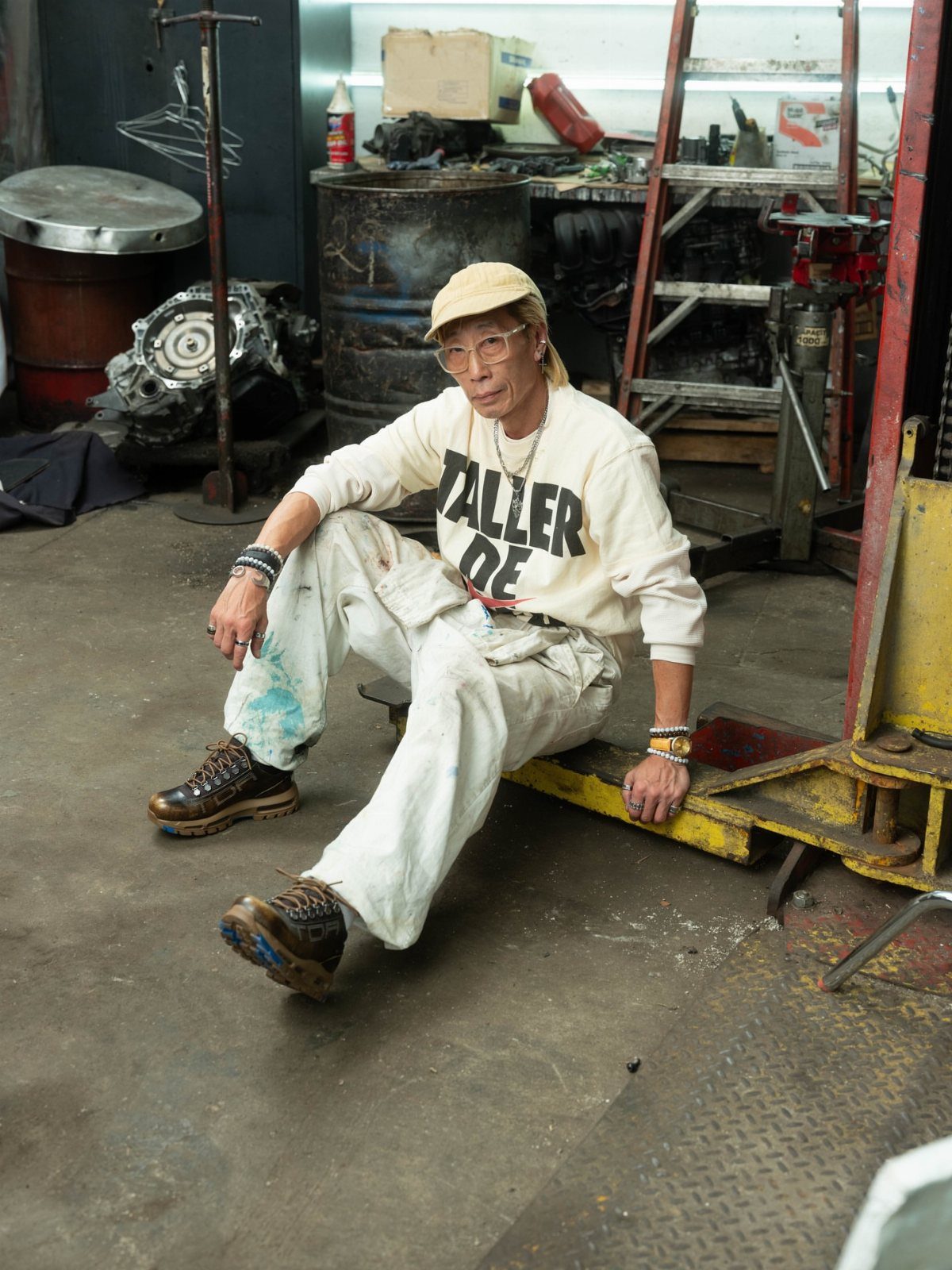
A cream sweatshirt with "TALLER DE" across the chest tells you what this label is about: the garage. Taller means workshop, and the brand pulls auto culture into streetwear.
Wear it the way a mechanic would.
White pants, boots and a cap keep it practical, and a little paint or wear on the pants fits the idea better than a spotless pair. Keep everything else muted so the lettering stays the only statement.
Cream shows dirt fast, so I’d choose it for a relaxed day, not a long shift under a car.
Characteristics of Underground Brands
Underground labels run on small teams, short runs and word of mouth instead of ad budgets. That shapes how you shop: buy direct from the brand, follow its drops, and expect some pieces to sell out and not return.
Independence is the quality to look for. A label that sells to its own community, makes limited batches and sticks to one artistic vision will usually feel more distinct than one chasing whatever is trending.
Since the names are small, they are harder to find. Search by local scene or subculture, and treat a brand’s own site as the best source for what is in stock.
Pricing and Quality
Small labels can price fairly. The range I’d expect is $25 to $80, and the better ones put the money into the cloth and the sewing instead of the marketing.
Check the fabric first.
Midweight cotton holds its shape, and garment-dyed pieces soften with wear. Screen prints should feel broken in rather than stiff and plasticky.
Then look at the stitching. Reinforced seams at the high-stress spots, like shoulders, cuffs and pockets, are what let a piece survive daily wear.
Spend toward the top of the range on hoodies and heavier layers, since those get worn the most. A basic tee is a reasonable place to save.
Cultural Influences
Punk, skate and hip-hop are the usual sources, and each one leaves a different mark. Punk brings rough graphics and a deliberate lack of polish.
Skate brings loose fits and durable fabric. Hip-hop brings bold branding and a sense of local pride.
Knowing which source a brand draws from helps you build around it. A punk-leaning piece wants worn boots and dark pants; a skate-leaning one wants roomy denim and flat sneakers.
Authenticity is still the founding principle of streetwear. If a label’s story and its clothes point the same direction, that is a good sign it means what it says.
What Scott Sasso was able to do with 10.Deep was get to the true core of what New York streetwear stood for. As a former graffiti artist, Sasso was connected to the mindset that birthed streetwear, personal expression and youthful arrogance.
— Complex
Frequently Asked Questions
What are some underground apparel brands?
Denim Tears, Palace Skateboards, Hellstar, FTP, Greedy Unit and Taller De Rafa are good places to start.
Each has a clear identity: Denim Tears does cotton wreath prints, Palace is skate-driven, Hellstar is built on bright orange sets, and FTP is known for provocative graphics.
2 names worth knowing: Greedy Unit draws on Dominican heritage for its graphics and silhouettes, while Taller De Rafa builds its look around auto-garage culture.
What are the top streetwear brands?
Among the underground names, Palace Skateboards and Hellstar are the most widely known, with Palace built on baggy jeans and back-print sweatshirts and Hellstar on viral moments and big endorsements.
Smaller labels like FTP, Denim Tears and Greedy Unit give you a more distinct look with less chance of seeing it on everyone. I’d pick based on the outfit you want to wear, not the name.
What are the origins of underground streetwear?
Most people date it to the early 1980s, when Shawn Stüssy started putting his surfboard signature on tees and shorts.
Labels that followed copied the method more than the look: a small independent crew, a local scene to sell to, and customers spreading the word instead of paid ads. That is still how the best underground brands operate.